


A heavy duty industrial workbench is not defined by its appearance. It is defined by what it can handle — the weight of the workpiece, the force of the tools, the vibration of the equipment, and the accumulated load of a full shift of operation. In Singapore’s workshops, logistics yards, and manufacturing floors, a bench that is under-specified for its load creates a cascade of problems: warping, loosened bolts, accelerated wear on drawer slides and castors, and — in the worst cases — structural failure under load.
Key Factors When Specifying Heavy Duty Industrial Workbenches
- Verify dynamic load capacity (including vibration and impact) not just static load for safety
- Select bench surface material based on your specific application: steel for durability, hardwood for impact absorption, ESD laminate for electronics
- Ensure bolt-down or weld-down floor anchoring for any bench used with heavy power tools or machinery
- Plan for future reconfiguration by choosing modular bench systems with add-on capability
- Account for tool shadows on work surfaces – adequate overhead lighting or built-in LED strips improve accuracy
- Ensure compliance with Singapore MOM workplace ergonomics guidelines for bench heights and reach zones
1. What Defines a Heavy Duty Industrial Workbench
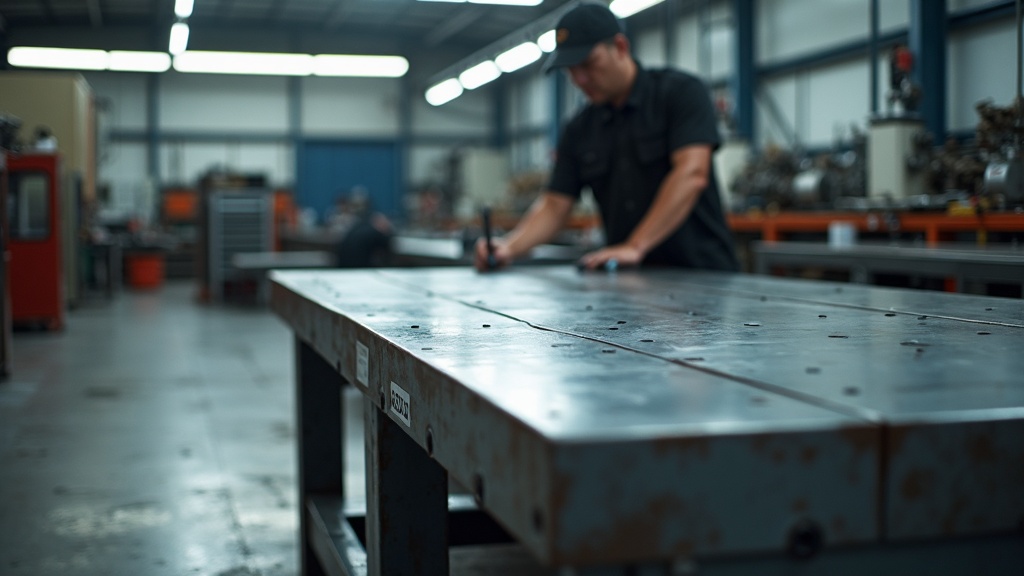
A heavy duty workbench differs from a standard workshop bench in three measurable ways: load capacity (starting at 500kg vs 300–500kg for standard benches); frame construction (thicker steel sections for rigidity under dynamic loads); and work surface (steel plate or stainless steel instead of MDF or particleboard).
Singapore context: Most Singapore JTC factories and industrial estates specify floor load ratings of 3–5 kN/m². A fully loaded heavy duty bench can easily exceed this if the load is concentrated. Always verify the floor loading capacity before specifying.
2. Frame Types: Bolt-Together vs Welded
Bolt-Together Frames
Bolt-together frames use steel sections connected by high-tensile bolts. They can be disassembled, relocated, and reconfigured — making them ideal for rented factory spaces, contract manufacturers, and operations with frequent layout changes.
Advantages: Can be disassembled for transport through standard doorways and freight lifts; layout changes are accommodated without cutting or welding; accessories can be repositioned without drilling.
Disadvantages: Bolt connections can loosen over time under vibration — requires periodic inspection and retightening; more components to manage.
Welded Frames
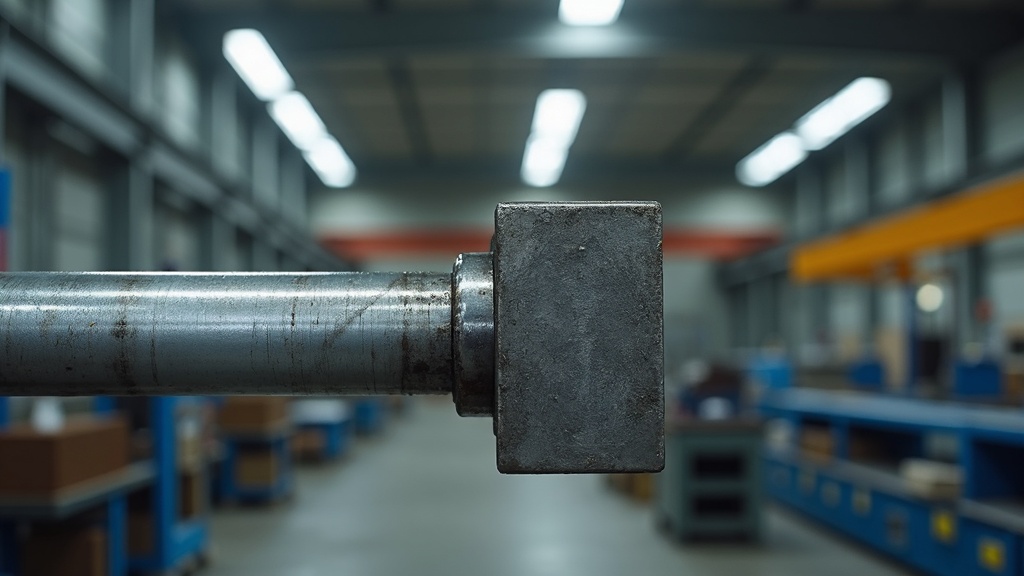
Welded frames are permanently assembled at the factory — maximum rigidity under dynamic and static loads, no bolt loosening risk, cleaner aesthetic. However, they cannot be disassembled for transport and require full clearance for removal.
Singapore note: Many older Singapore JTC factories have freight lift dimensions of 2.0m x 2.5m. A welded heavy duty bench that exceeds these dimensions cannot be removed for relocation. Always verify access dimensions before ordering a welded frame.
3. Load Capacity: How to Specify Correctly
The common mistake is to size the bench for the maximum workpiece weight alone. In practice, a heavy duty workbench carries: the workpiece + tools and fixtures + operator leaning force (30–60kg) + dynamic loads from impact and vibration.
The sizing formula: (Maximum workpiece + All tools + All fixtures + 60kg operator force) × 1.25 safety factor = Required capacity.
A 500kg-rated bench loaded to 400kg continuously will fatigue faster than one loaded to 250kg. Choosing a bench rated too close to the calculated load is a false economy.
4. Work Surface Materials
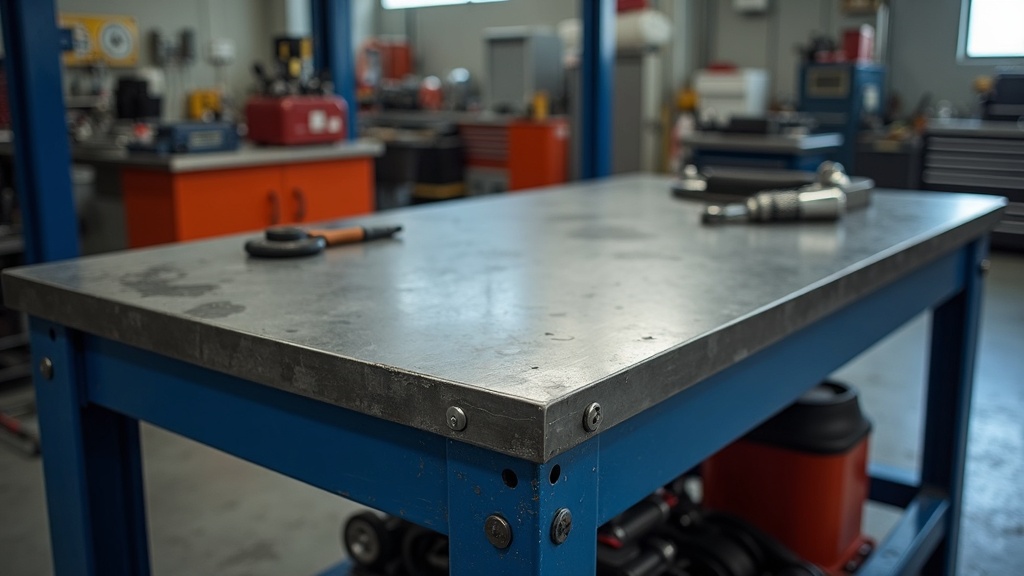
Steel plate: 6–12mm thickness for excellent impact resistance. Best for workshops, fabrication, auto service, logistics, general manufacturing.
Stainless steel: Type 304 for food, pharma, and healthcare environments; Type 316 for marine and chemical environments. NEA and Singapore Food Agency requirements specify Type 304 minimum with smooth, non-porous surface.
MDF and plywood: Not heavy duty options. Included for completeness — they are cost-effective for light assembly but will be damaged by heavy impact and sustained point loads.
5. Frame Materials and Finishes
Powder-coated steel: Standard finish. Pre-treatment (zinc phosphate before powder coating) affects adhesion and corrosion resistance. Adequate for standard workshop environments. For humid or coastal Singapore facilities, specify marine-grade powder coat or stainless steel frame.
Stainless steel frame: Required in food and pharmaceutical environments throughout. Note: a stainless work surface on a powder-coated steel frame creates galvanic corrosion. Specify stainless throughout if you specify it anywhere.
Galvanised steel: Good corrosion resistance at lower cost than stainless. Best for cold storage, wash-down zones, outdoor covered storage.
6. Height Specifications
The industry standard is 850–900mm for standing workstations — corresponding to elbow height for operators of 1.6–1.8m. Singapore’s average adult male height (1.71m median) means a 900mm bench may be slightly high for shorter operators. Specify 850mm or height-adjustable if your operator cohort includes significant numbers below 1.65m.
Double-sided benches require a minimum central aisle width of 1.0–1.2m. Combined with the bench depth (750–900mm per side), a double-sided installation requires a minimum floor width of 2.5–3.0m.
7. Storage Integration: Drawers, Shelving, and Accessories
A heavy duty workbench without storage integration creates workarounds that slow operators down.
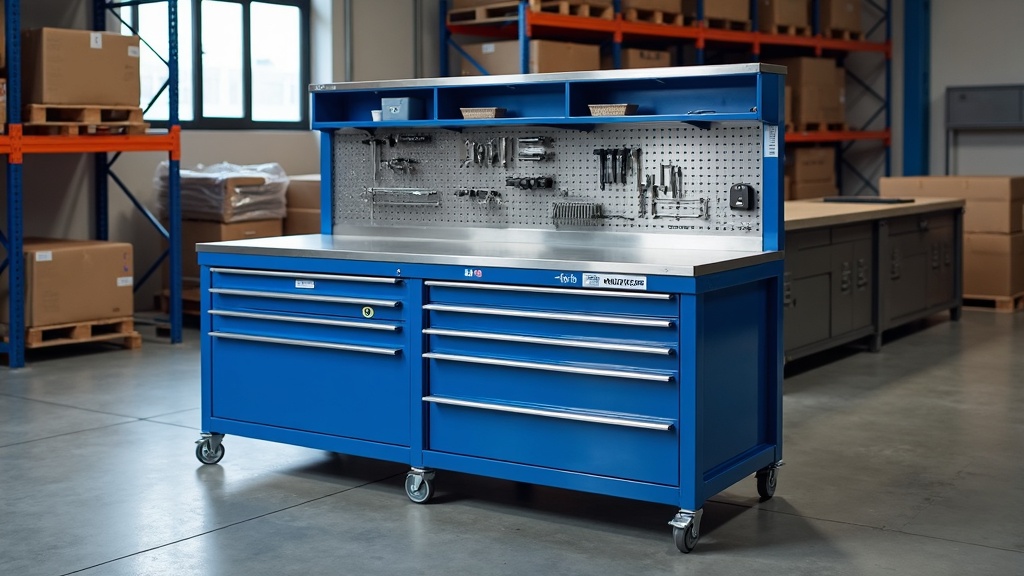
Drawer units: Standard heavy duty drawer units (75–150kg slide capacity) bolt to the frame. Euro standard 600mm × 600mm drawers have the widest range of compatible bin and partition options.
Overhead shelving and bin rails: A 40mm slot grid allows bin and tool holders to be repositioned without drilling — the standard for modular bench systems.
Power rails: Every modern heavy duty workstation requires electrical access. Any fixed electrical installation requires a Licensed Electrical Worker (LEW) to perform the connection under Singapore’s Electricity Act.
Lighting: Specify LED task lights at minimum 1,000 lux at work surface for precision work. For inspection and colour-critical assembly, specify CRI greater than 90.
8. Castors and Mobile Configurations
Adding industrial castors converts a fixed workstation to a mobile tool. Critical calculation: a heavy duty bench loaded to 1,000kg on 4 castors = 250kg per castor. At 250kg load, the contact patch translates to approximately 306 kN/m² — which exceeds typical JTC factory floor ratings of 3–5 kN/m². Floor plates or impact sheets are required under mobile heavy duty benches.
9. Common Specification Mistakes in Singapore
Mistake 1: Specifying for static load, not dynamic load. A bench rated at 1,000kg for a static workpiece is not rated for the same workpiece with a 15kg power hammer operating on it.
Mistake 2: Ignoring floor loading in JTC factories. A concentrated load from a heavy duty bench with a small footprint can exceed the floor rating. Specify floor plates.
Mistake 3: Choosing a welded frame in a rented facility. If your factory space has a remaining lease term under 5 years, a bolt-together frame is almost always the better choice.
Mistake 4: No cable management specified at order time. Retrofitting a power rail is always more expensive than specifying it at order time.
Mistake 5: Stainless work surface on a powder-coated frame. Galvanic corrosion will develop in humid or wash-down environments.
10. Price Guide (Indicative, SGD, excl. GST)
| Specification Level | Indicative Price Range | What Is Included |
|---|---|---|
| Basic heavy duty bench (500kg, bolt-together, MDF surface) | S$400–S$800 | Basic steel frame, MDF work surface, no accessories |
| Standard heavy duty bench (500–800kg, bolt-together, steel plate) | S$800–S$1,500 | Steel frame, 6–8mm steel plate surface, 1–2 drawer units |
| Configured heavy duty bench (1,000kg+, bolt-together, accessories) | S$1,500–S$3,000 | Heavy frame, steel plate, drawer units, overhead shelving, power rail |
| Premium heavy duty / electric height-adjustable (1,000kg+) | S$3,000–S$8,000 | Electric height adjustment, full accessory ecosystem, premium finish |
| Stainless steel heavy duty (food/pharma grade) | S$2,500–S$6,000 | Type 304 stainless frame and surface, corrosion-resistant bolts |
| Custom fabrication / project | Quotation required | Full custom sizing, special load ratings, integrated equipment |
11. Brand Spotlight: Treston Heavy Duty Range
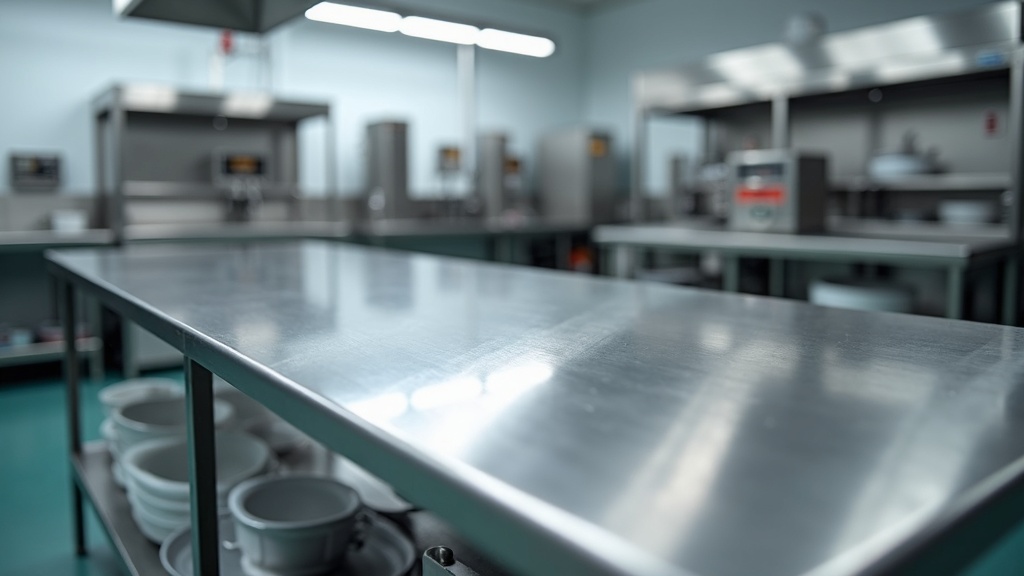
Treston’s heavy duty industrial workbenches are represented in Singapore by authorised specialists for engineering managers who require documented quality, modular configurability, and after-sales support.
| Model | Frame Type | Load Capacity | Key Feature |
|---|---|---|---|
| Treston TP | Bolt-together | Up to 1,500kg | 40mm slot-grid profile for accessory mounting |
| Treston TPH | Bolt-together | Up to 1,500kg | Perforated panel for bin rails and overhead storage |
| Treston Industrial | Welded or bolt-together | Up to 2,000kg+ | Custom dimensions for project applications |
| Treston Concept Ergo | Height-adjustable | Up to 1,500kg | Electric height adjustment with memory presets |
12. Frequently Asked Questions
Q: What is the minimum load rating for a general workshop in Singapore?
A: A minimum of 500kg per bench section is recommended for general workshop use — accommodating the combined workpiece, tools, and operator force with an adequate safety margin. For heavy fabrication or automotive workshop use, specify 1,000kg or higher.
Q: How do I know if a bolted frame will loosen over time?
A: Bolt-loosening is primarily a function of vibration. Schedule a quarterly bolt inspection for operations using power tools or hammers. Using thread-locking adhesive on critical bolts reduces loosening risk.
Q: Can I use a heavy duty bench in a cleanroom?
A: Yes — specify a stainless steel frame and work surface, and verify particle generation limits for your cleanroom class. Treston’s cleanroom-rated industrial benches are tested to IEC 61340-4-4 for particle generation.
Q: How much space does a double-sided heavy duty workbench need?
A: Minimum 3.0 metres total width: 750–900mm per bench side + 1.0–1.2m central aisle.
Q: Are Chinese heavy duty workbenches a credible option?
A: Chinese-manufactured benches are available at 30–40% below European specifications — functional for basic heavy-duty applications without compliance documentation needs. For documented load ratings, traceable quality, and after-sales support, European-manufactured products with Singapore distributor support are the established standard.
13. What to Do Next
For workshop or logistics operations: Start with the load calculation. Work out the maximum combined load including tools, fixtures, and operator force. Apply the 1.25 safety factor. Round up to the next available specification.
For food or pharmaceutical facilities: Specify Type 304 stainless throughout. Verify NEA or HSA requirements before ordering. Use a recognised distributor who can provide material certification.
Related Articles:
Automotive Workbenches | Manufacturing Assembly Workbenches | Workbench Storage Accessories
Y K Toh Marketing (S) Pte Ltd
Tel: (65) 6542 3232 | enquiry@yktoh.com | yktoh.com


