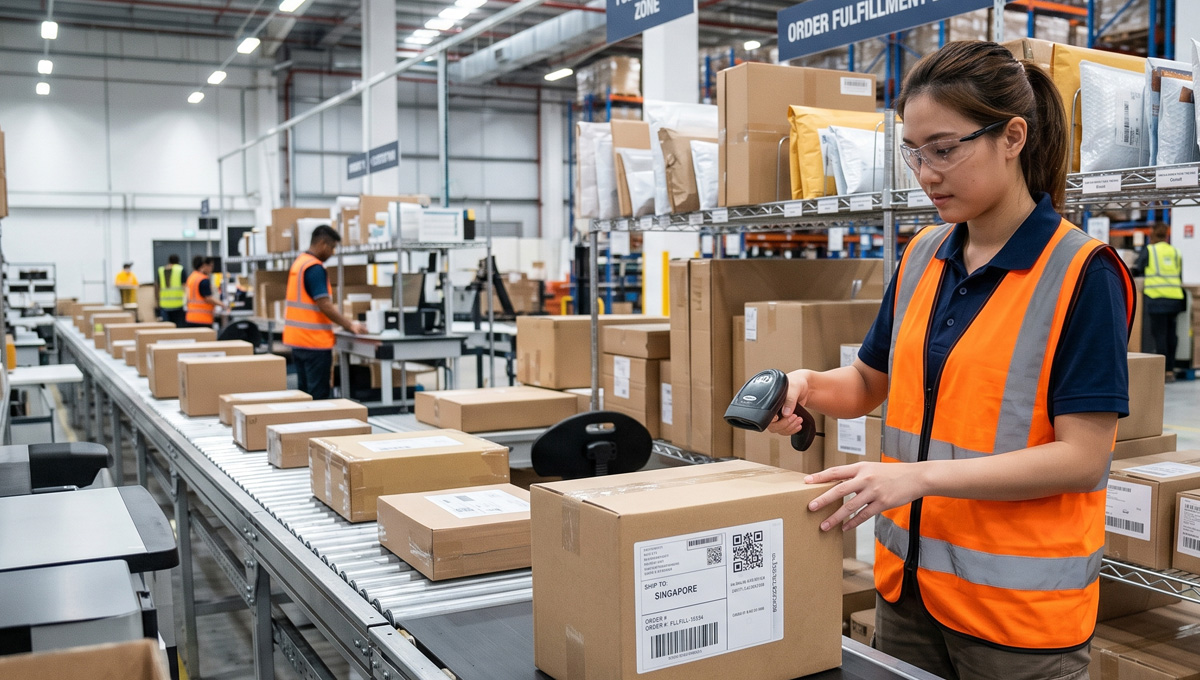
Every product-based business needs a place to store its goods, whether through an in-house facility or an external warehouse. Warehouses are typically large, functional spaces located in industrial areas, and they serve as a central part of business operations. Because of this, proper planning, management, and design are essential. Poor decisions at this level can disrupt the entire supply chain and affect overall business performance.
One common issue in warehouse management is redundancy. Workers often end up repeating the same task multiple times, which slows down operations and reduces efficiency. A typical example is manual handovers, where a task or document is passed from one worker to another several times before completion.
Implementing a barcode system can help address this problem. By streamlining tracking and reducing the need for repeated manual processes, barcoding improves accuracy and minimizes unnecessary steps in the workflow.

Humans are not machines, and without the right systems in place, precision and consistency can be difficult to maintain. In many warehouses, there are optimized picking routes designed to improve efficiency. However, workers may still take less efficient paths, especially in complex layouts. While occasional deviations may seem minor, repeated inefficiencies over time can lead to longer order processing times and increased physical strain on workers.
Another common issue relates to inventory awareness. Pickers may not always know the exact location of key items, particularly in fast-changing environments. This can significantly slow down operations. To address this, businesses should invest in proper onboarding and continuous training, while also implementing systems that provide clear, real-time visibility of inventory locations. Regular updates are essential whenever items are relocated within the warehouse.
Inventory accuracy is equally critical. The system must reflect what is actually available on the shelves. Inaccurate records can result in wasted time, as pickers search for items that are no longer in stock. This not only affects productivity but can also lead to delays in fulfilling orders. For high-demand products, stock discrepancies can directly impact customer satisfaction and potentially result in lost business, especially when large orders cannot be fulfilled.
Improving route planning, enhancing visibility, and maintaining accurate inventory records are key steps toward a more efficient and reliable warehouse operation.
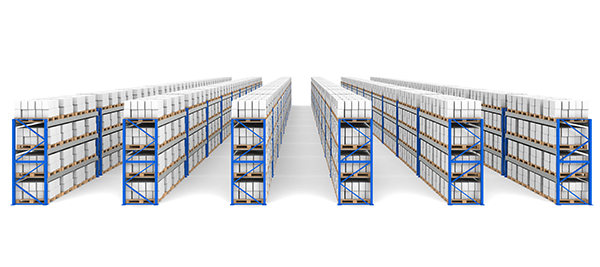
Lastly, and often one of the most critical issues, is the warehouse layout. Many warehouses are not fully optimized for efficiency because of the number of factors involved in designing a storage system. Different types of racking systems, operational requirements, equipment usage, and space limitations all need to be considered together. Because of this, it is common for layouts to be functional but not fully optimized for long-term efficiency.
If you need support in improving your warehouse layout or selecting the right racking system, our specialists are available to help assess your setup and provide practical solutions tailored to your operations.