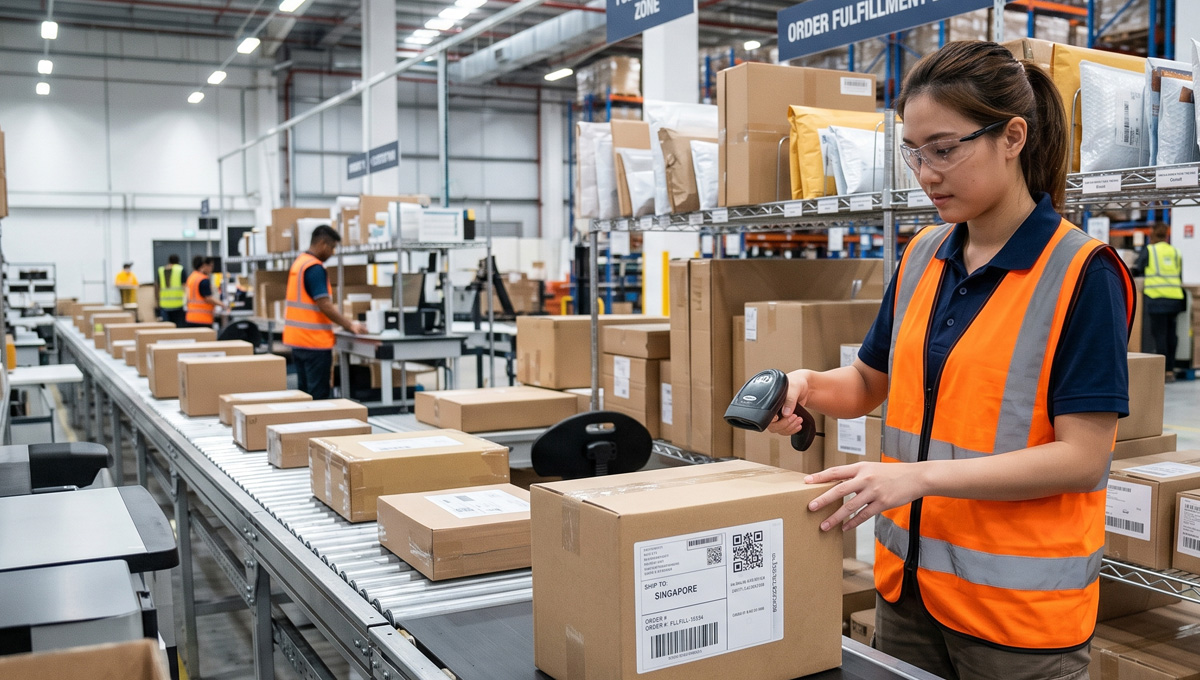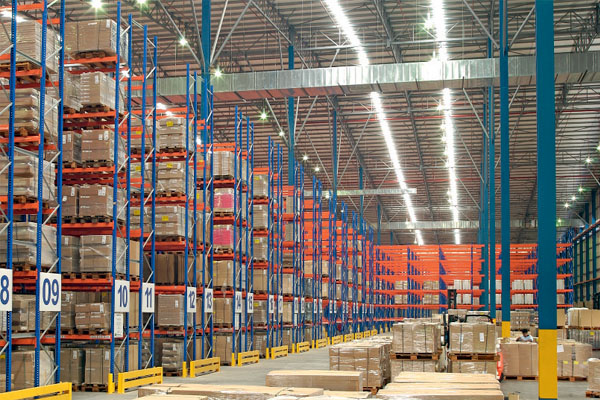
MHE (Material Handling Equipment) refers to equipment used for moving and storing materials in a storage facility. It is classified into four categories: storage systems, transportation equipment, positioning equipment, and unit load equipment.
Storage systems hold materials or finished goods over time, and the most common type in Singapore and Malaysia is the pallet rack — a system designed to store materials on pallets. This article covers the main pallet rack types available in the region: Selective, Double Deep, Multi-Tier, Drive-In, Cantilever, Cart Push Back, Pallet Flow, Carton Flow, and Structural Steel Platform.
Selective Pallet Racking System:
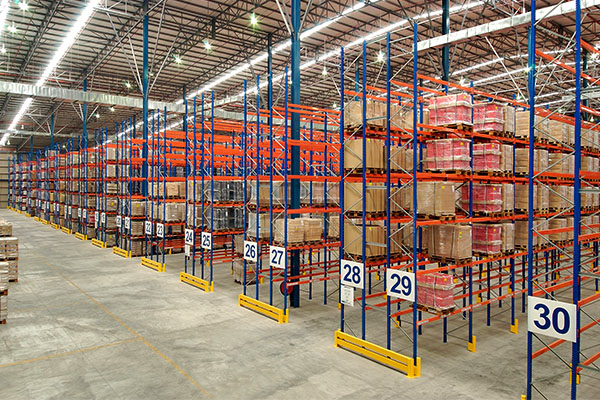
Selective pallet racking offers easy accessibility to all stored products at any time, with no limitations on use. It is the go-to system for fast-moving, high-turnover inventory that requires frequent restocking and smooth stock rotation. Commonly found in retail stockrooms, wholesale stores, and distribution warehouses, it is also the most economical pallet racking option — providing 100% selective storage.
Double Deep Racking System:
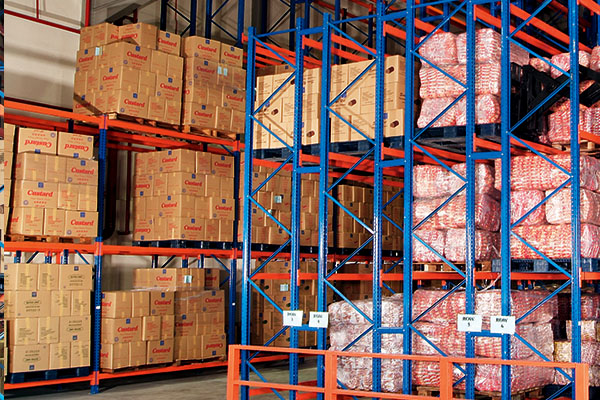
Double Deep Racking stores pallets two rows deep by placing two Selective Racks back to back, allowing a maximum of four rows in a single configuration. It requires specialised equipment — such as a double deep attachment, reach truck, or articulated forklift. While storage capacity increases, direct product accessibility is reduced, and inventory follows a last-in, first-out (LIFO) flow.
Multi-Tier Racking System:
Multi-Tier Racking maximises vertical space by building mezzanine levels directly from pallet racking components— ideal for facilities with limited floor area.
Each level is accessible via structural steel staircases, with hand rails, knee rails, and kickboards ensuring safety on all open sides.
The mezzanine floors are supported by steel joists with either hot-dipped galvanised mesh or timber decking, making it one of the most efficient and cost-effective ways to create additional floor space within a confined compound.
Drive-In Racking System:
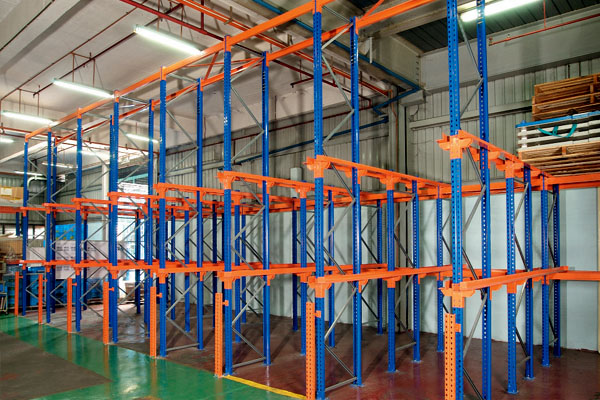
Drive-In Racking maximises storage capacity by using continuous lanes with a single shared aisle for both loading and retrieval. Best suited for large quantities of homogeneous products, it operates on a Last-In, First-Out (LIFO) basis — forklifts drive directly into the rack to place and retrieve pallets.
Cantilever Racking System:
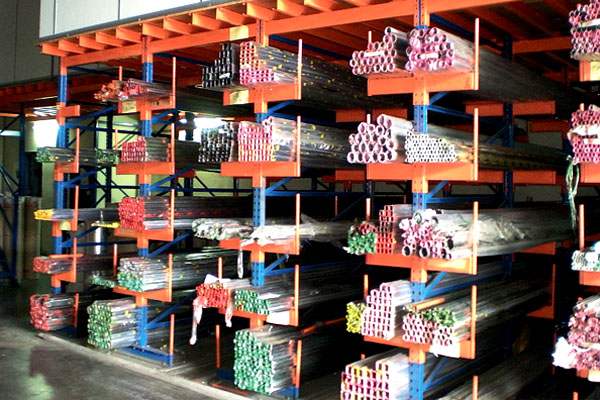
Cantilever Racking is designed for storing long, awkward items of varying lengths and proportions. Products are stored horizontally on cantilever arms and can be handled manually or by machine. Built from uprights and cantilever beams, the system is flexible, easily adjustable, and configurable to suit any storage environment.
Structural Steel Platform System:
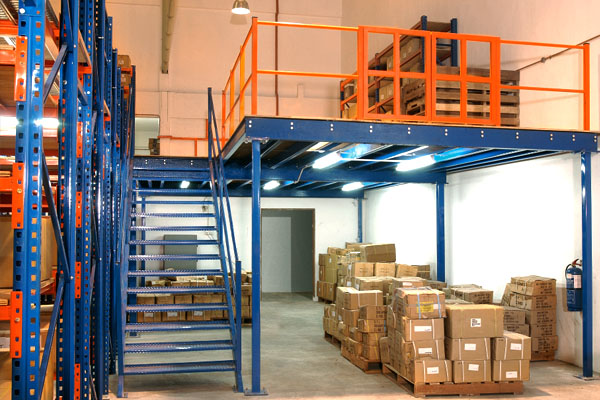
Structural Steel Platform is a standalone mezzanine system built on four steel corner pillars, independent of any racking. Unlike Multi-Tier Racking — where each level incorporates its own racks — the Structural Steel Platform typically features an open lower level for operations and an open upper level for storage or office use. As it must comply with Singapore government safety regulations, it is one of the costlier systems in this category.
Dynamic Storage Racking System:
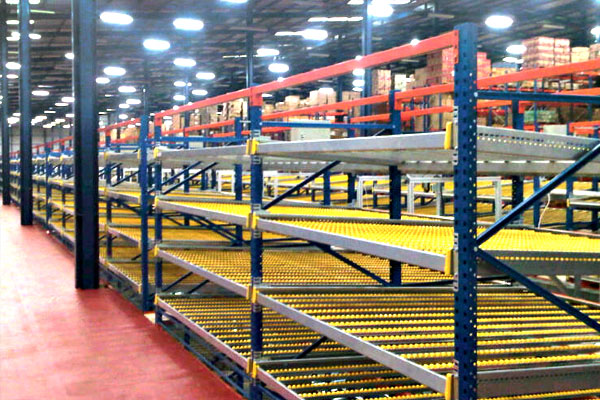
• Cart Push Back Racking System
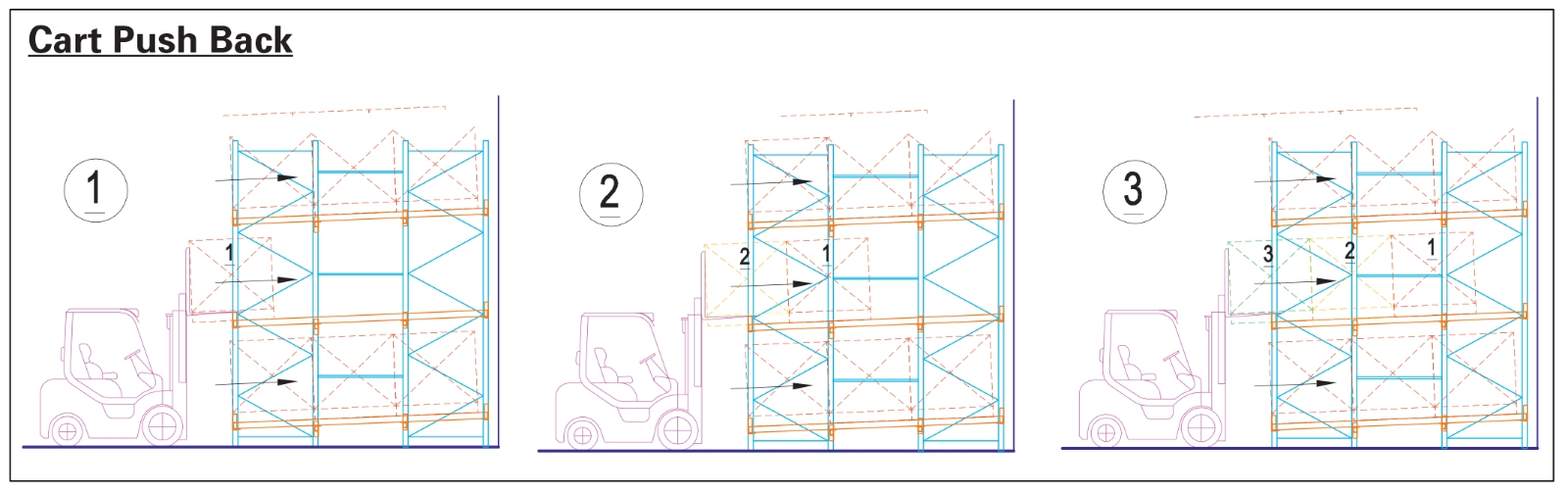
Cart Push Back Racking is similar to Drive-In, but instead of the forklift entering the rack, the pallets themselves move. Each new pallet loaded onto the bay pushes the existing ones deeper into the rack. Like Drive-In, it operates on a Last-In, First-Out (LIFO) basis.
• Pallet Flow Racking System:
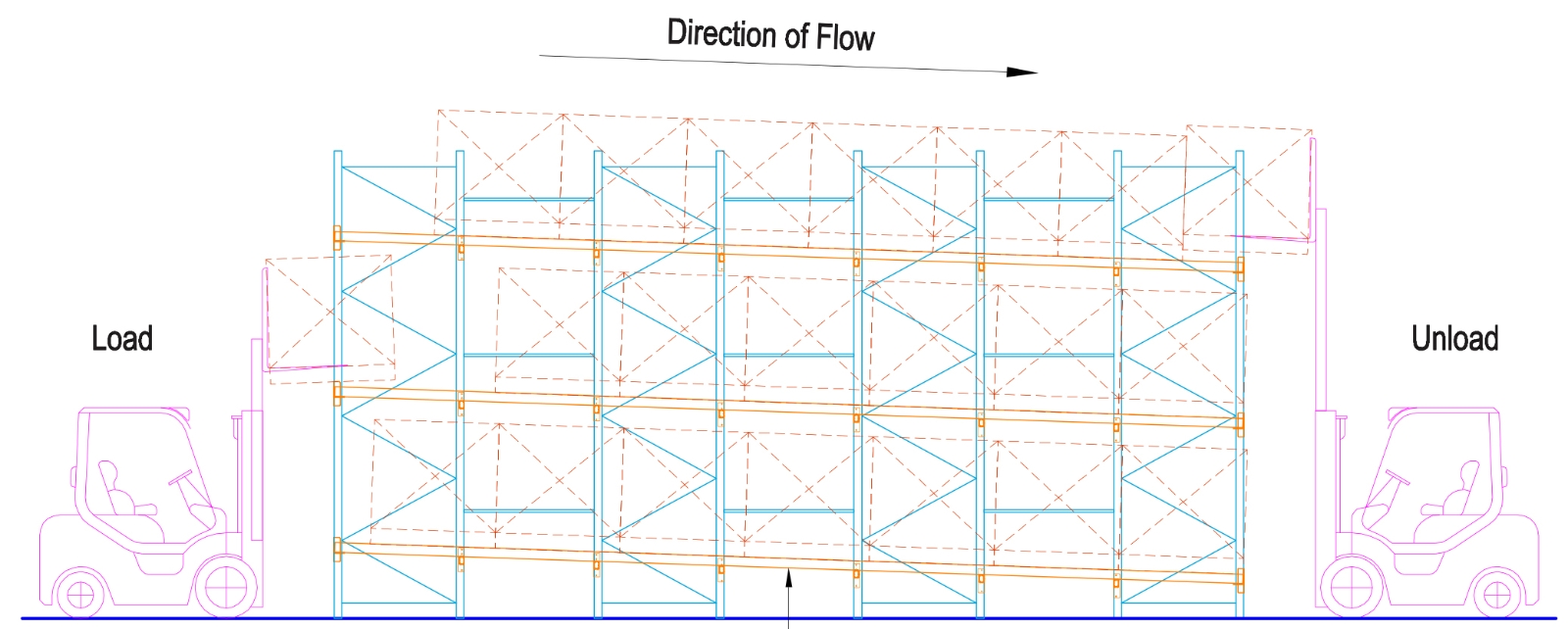
Pallet Flow Racking improves on Cart Push Back by eliminating the risk of stock damage from pallet-on-pallet pushing. Instead, pallets move along a built-in directional track — loaded from one end and retrieved from the other — creating a dedicated in and out flow. This gives the system a true First-In, First-Out (FIFO) operation.
• Carton Flow Racking System:
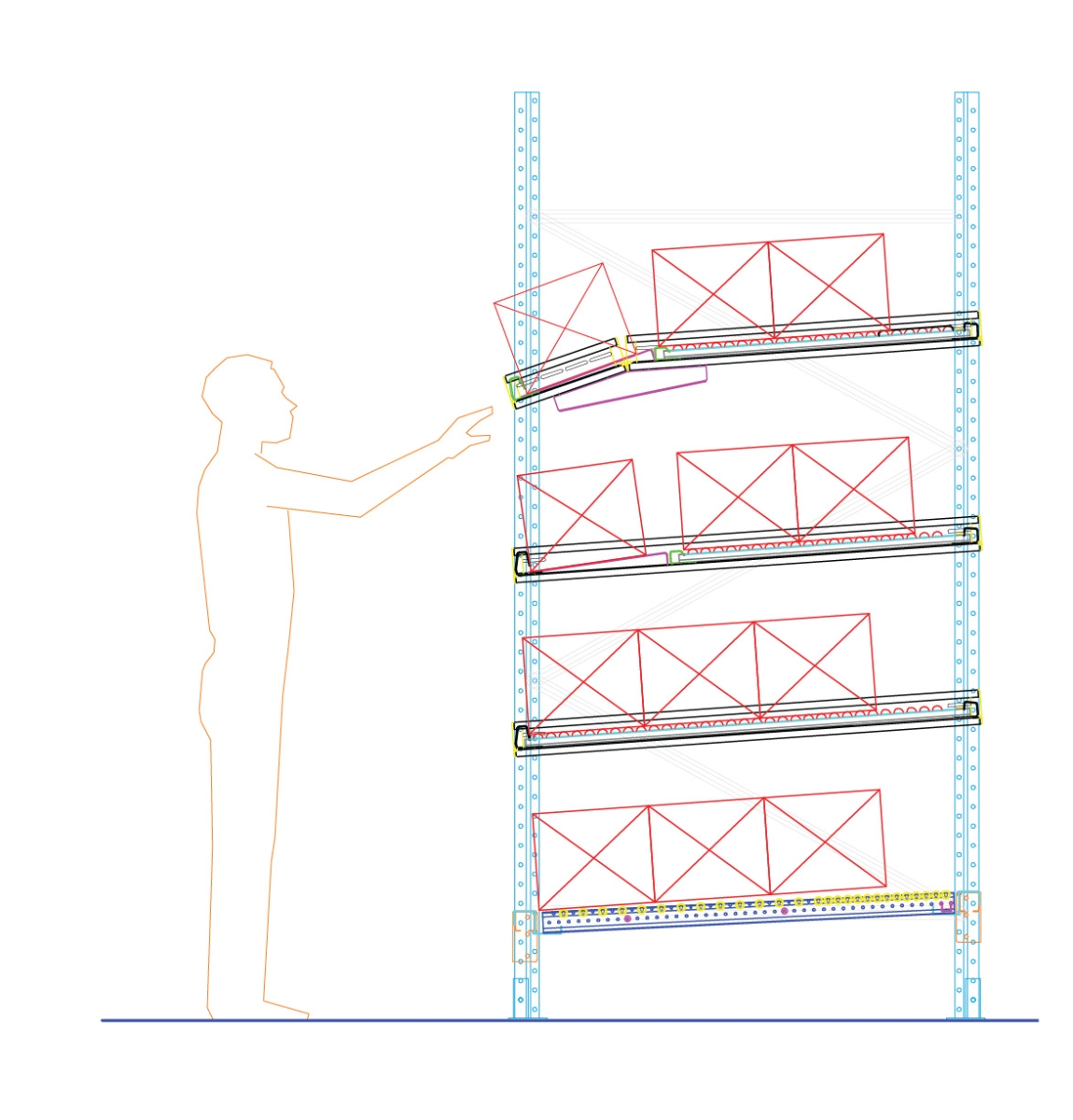
Carton Flow Racking uses gravity-fed inclined runways, loaded from the rear. As each item is removed from the front, the ones behind slide forward to fill the gap automatically. It operates on a First-In, First-Out (FIFO) basis.
Every warehouse is different — storage needs vary by space, volume, and product type. Fill in the form below and our specialist will provide a free assessment tailored to your requirements.