


Choose the closest pilot industry when the environment drives the route.
Choose industry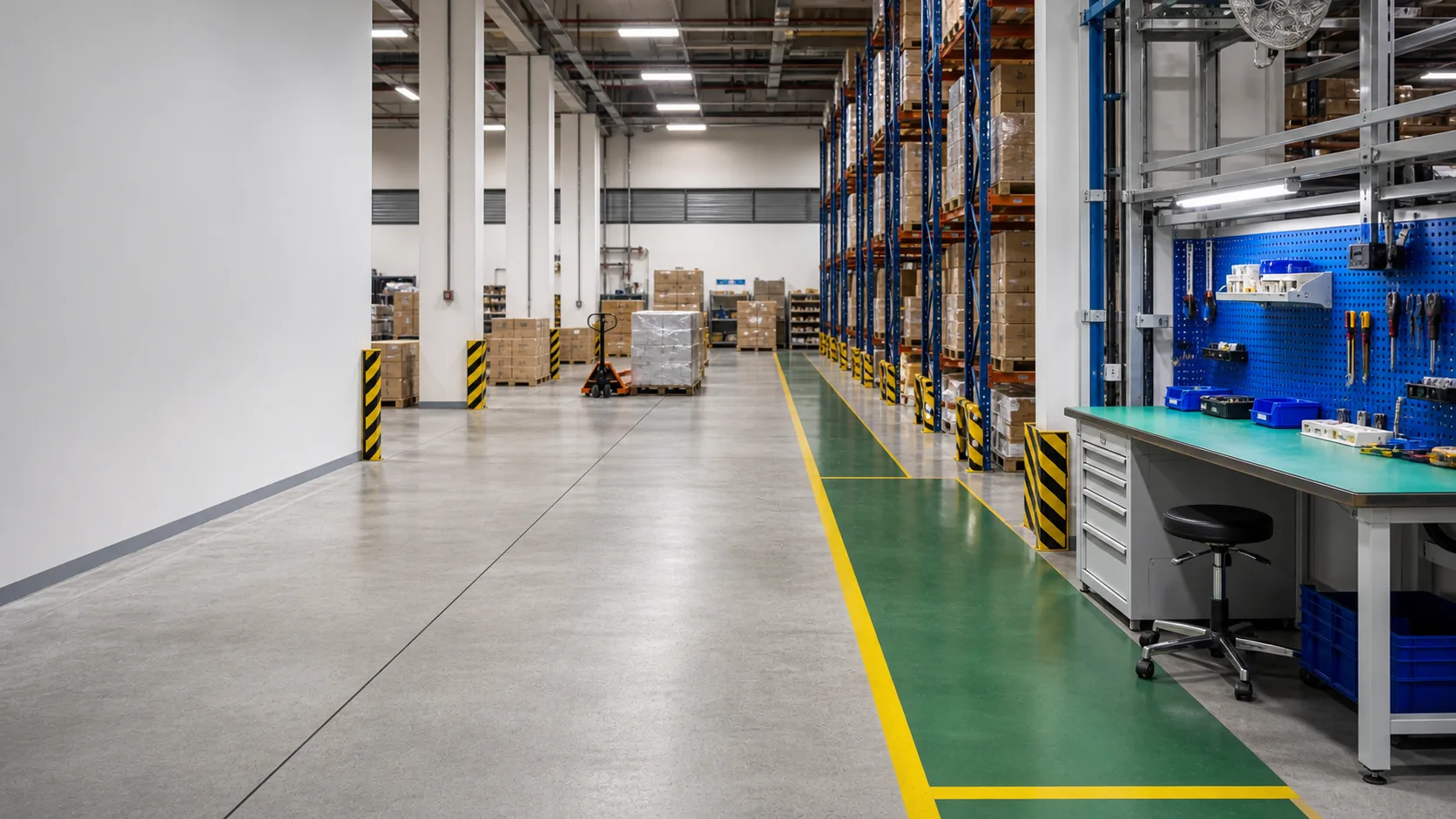
By Industry route system
Industrial equipment recommendations by industry and site problem
Start with the site problem, then narrow the industry route. Y K TOH can review storage, movement, protection, workstation, MRO, marking, access and sensitive-zone requirements for Singapore industrial buyers.
StoreProtectMoveWorkMaintainMarkReview environment
Quick answer
Use the By Industry hub when the operating environment changes what should be recommended. Start with the site problem, choose the closest industry route, then send photos, load, route, floor, temperature, ESD, food-area or document details before asking for an exact product or model.
Start with the buyer situation
Pick the closest situation first, then move only as far as the enquiry needs.
Start with the site problem when storage, protection, movement, work, maintenance or marking is the clearer route.
Choose site problemUse quote intake before treating a quoted product, document or use case as the same fit.
Review quoteCollect photos, dimensions, load, route, floor and documents before product-path review.
Build evidenceFour pilot industry routes
Each route gives buyers a practical path from operating environment to site problem, evidence needed and claim checks.
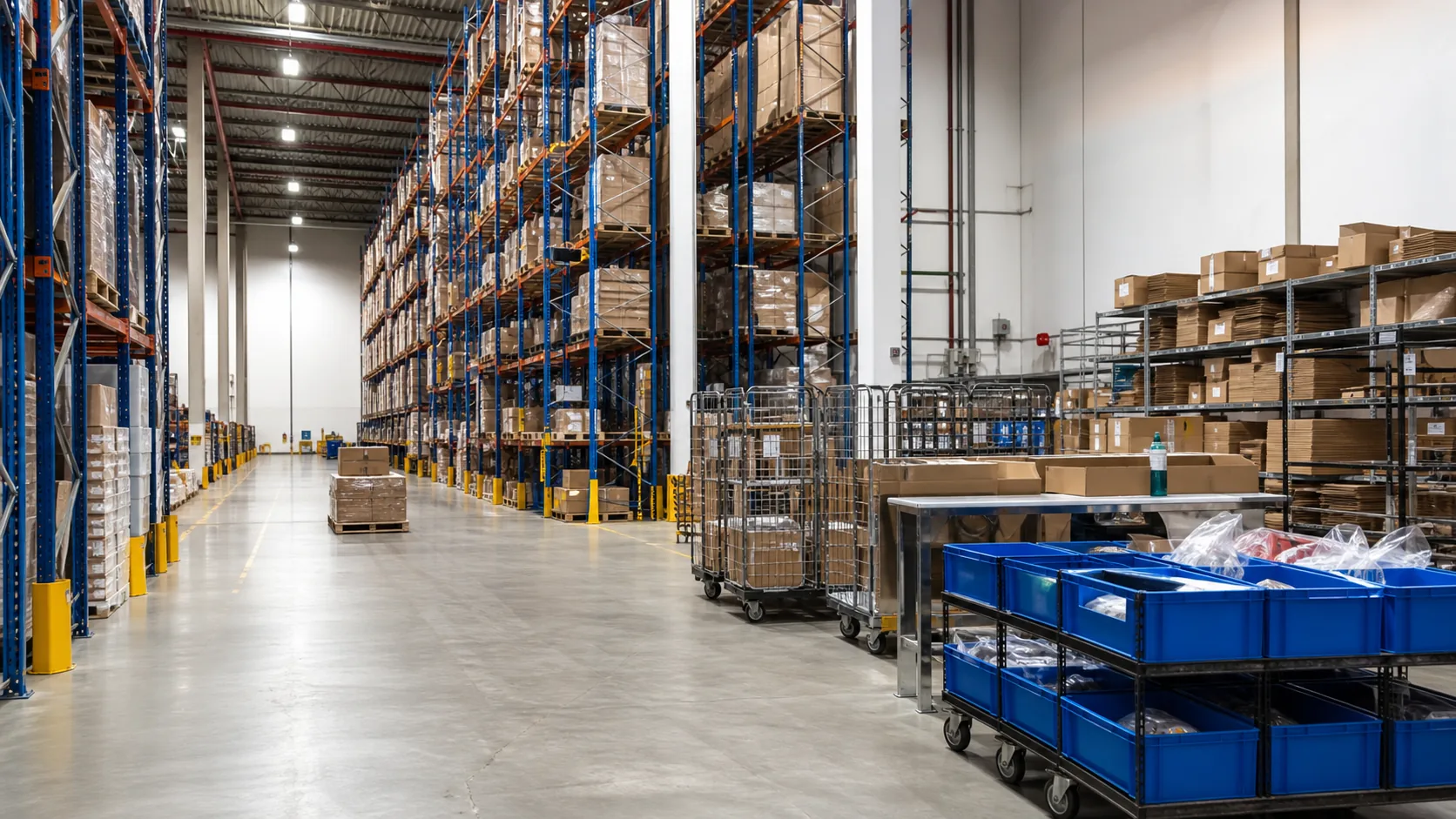
Logistics / 3PL / E-commerce Fulfilment
Storage, protection, movement, access and packing routes for warehouse and fulfilment operations.
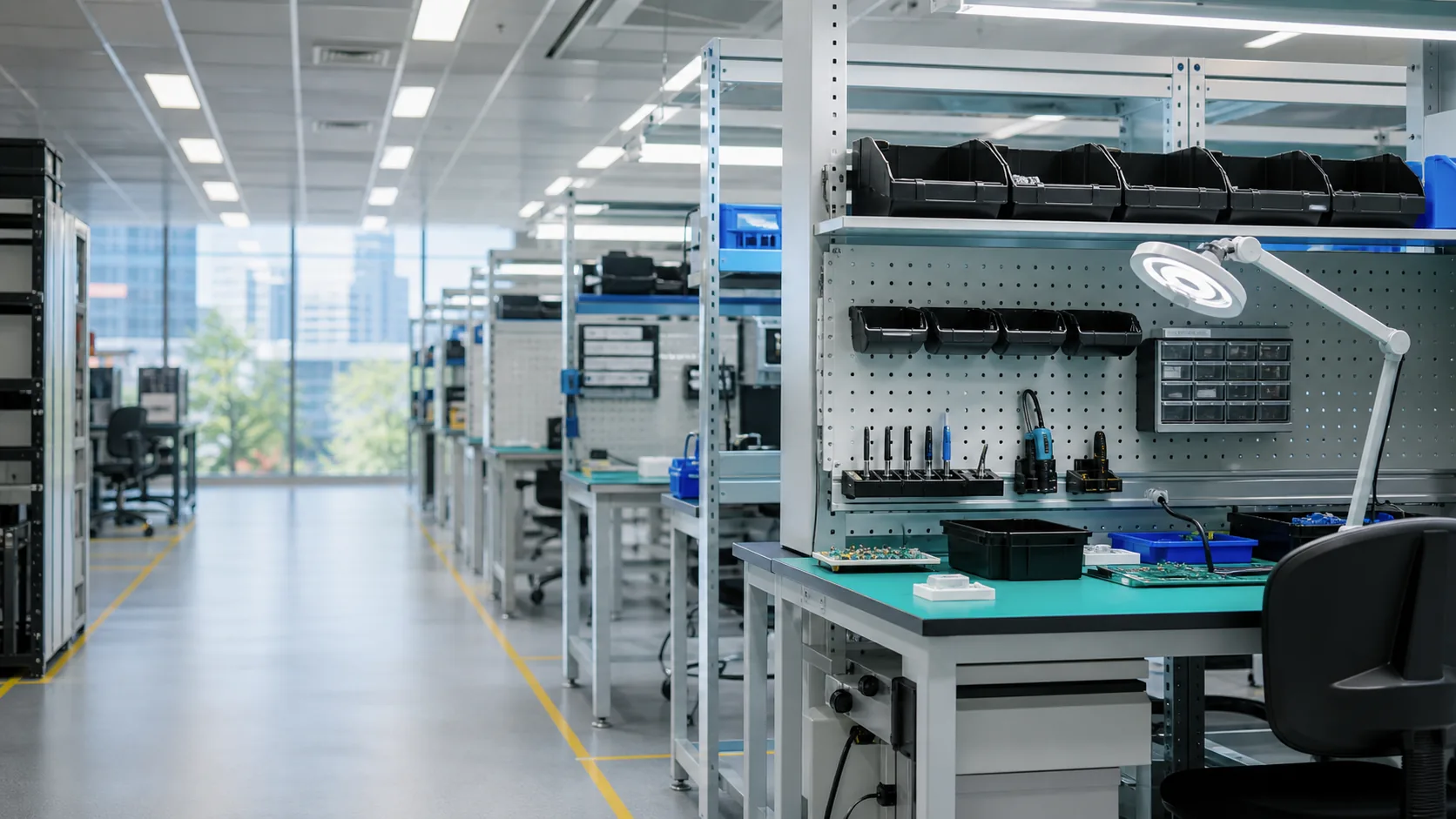
Electronics / Semiconductor Manufacturing
Treston-first technical work routes with ESD-aware, small-parts, MRO and support-product review.
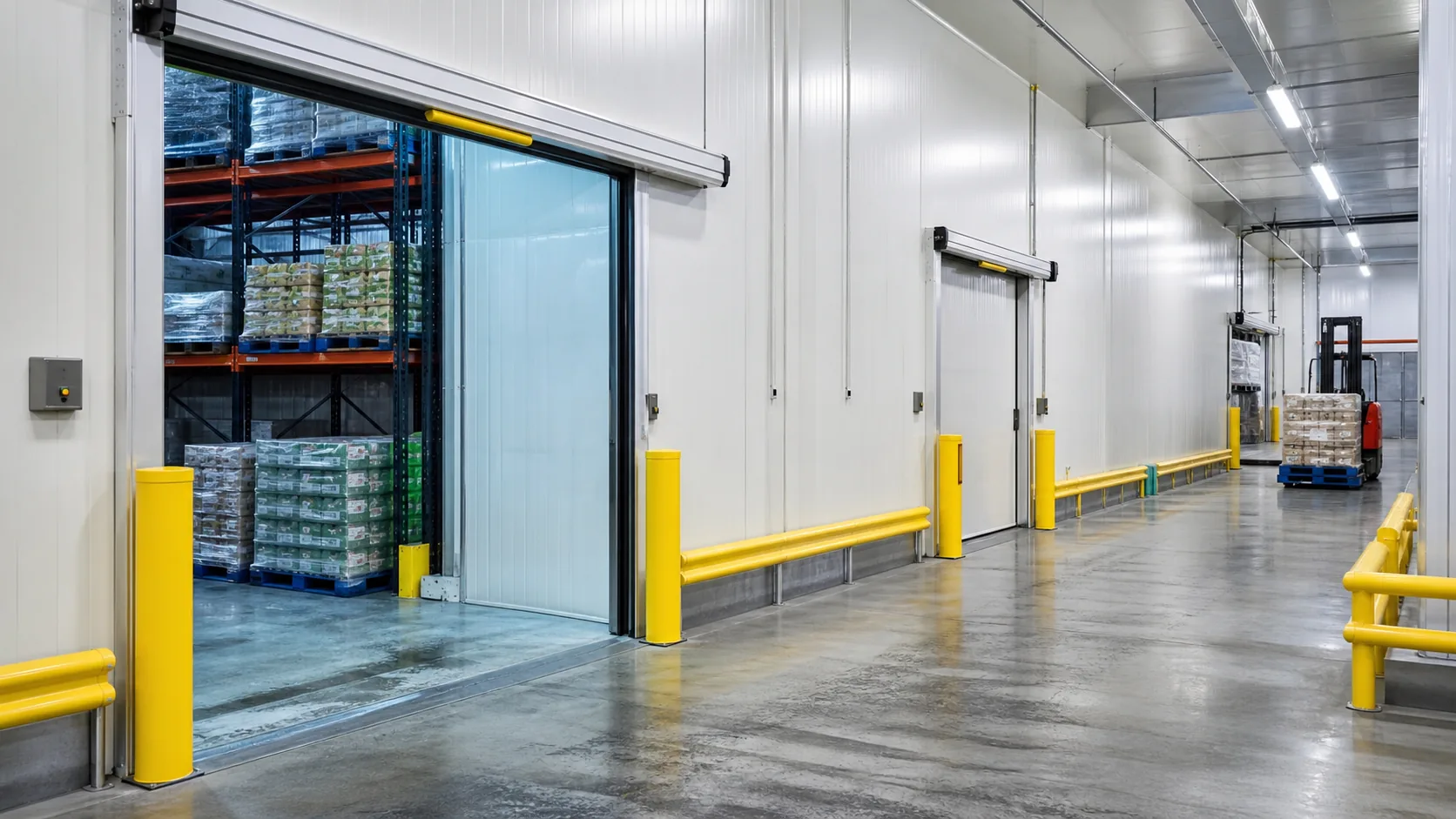
Cold Chain Logistics
Temperature, moisture, door traffic, chilled dispatch, protection and handling routes.
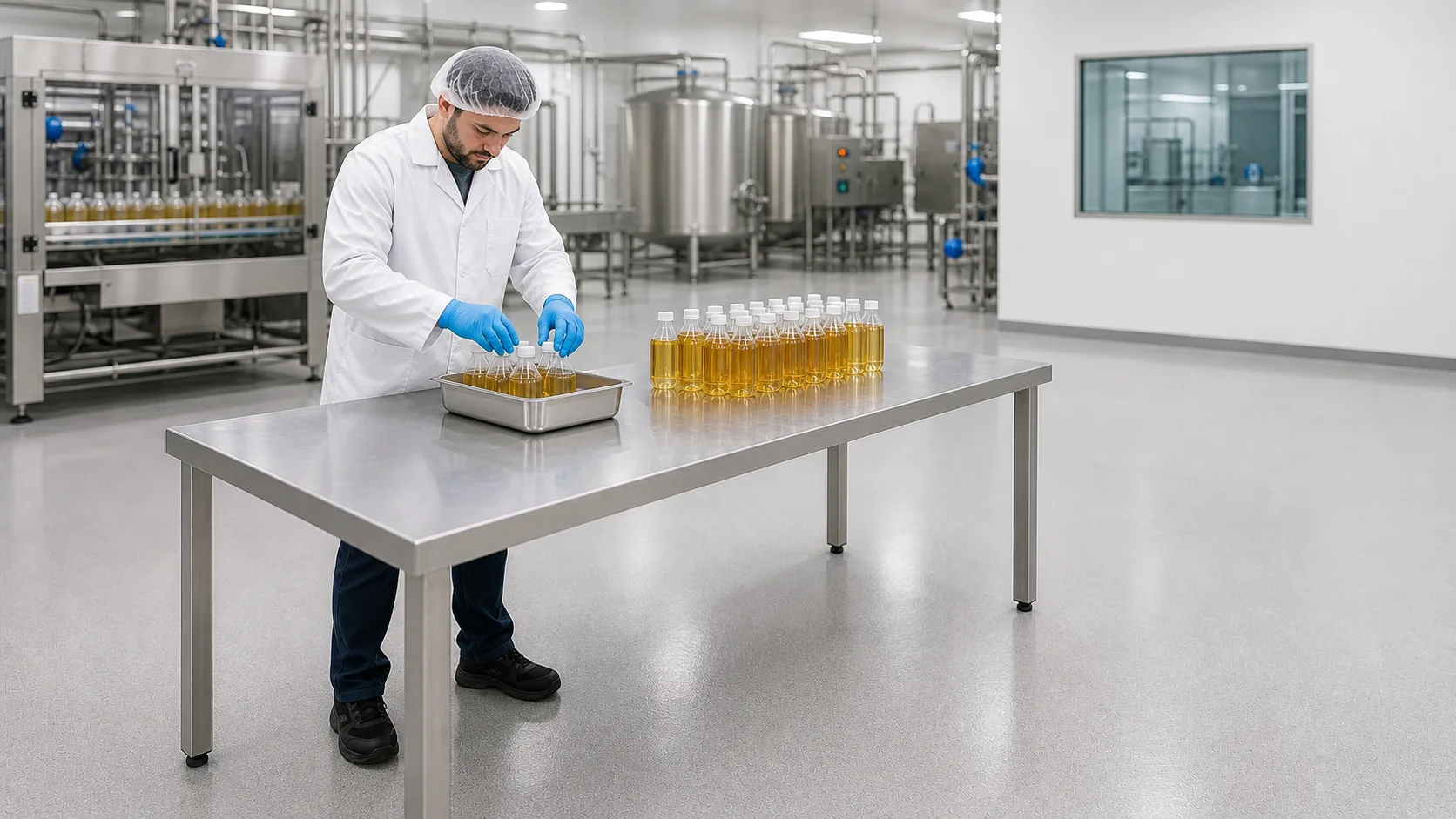
Food & Beverage Manufacturing
Usage-zone, production support, plant protection, movement, packing and documentation routes.
Choose the first route faster
Use this short chooser before the detailed tables. It points the buyer to the first review route, then the evidence decides the product path.
Storage and layout
Pallets, cartons or pick faces
Use when receiving, storage density, SKU flow, dispatch staging or aisle width is blocking the site.
Likely routeStorage layout, WAREHOUSE123 stage route, racking, shelving or carton flow review.
Check firstPallet size, load, clear height, aisle width, turnover and whether engineering review is needed.
Review storage routeImpact and access
Rack ends, doors, walls or work zones
Use when traffic, loading bay movement or work-zone edges create impact points or blocked access.
Likely routeMPM protection route, rack guard, barrier, bollard, column, wall, door or kerb protection review.
Check firstImpact point, vehicle path, fixing surface, route width and access that must stay open.
Review protection routeLoad movement
Pallets, wheeled loads or route effort
Use when the main issue is moving loads through a repeated route, slope, floor condition or tight turning area.
Likely routeMasterMover, STOCKY, MYSTAR, pallet truck, tug, trolley or low-level access review.
Check firstLoad, wheels, floor, route distance, slope, turns, frequency and current method.
Review movement routeWork support
Benches, packing, marking or MRO
Use when the bottleneck is at the work point rather than storage or vehicle movement.
Likely routeTreston, LPS, DYKEM, BRAVI, MRO, packing, technical workstation and marking review.
Check firstWork height, task, surface, accessories, documents and operator-side access.
Review work routeEnvironment gate
Cold, ESD or food-area details
Use when temperature, moisture, ESD process, contact risk, cleaning exposure or documents could change the route.
Likely routeCold Chain, Food and Beverage or Electronics page before product shortlist.
Check firstTemperature, condensation, ESD need, cleaning exposure, contact risk, SDS/TDS or product documents.
Review environmentSend these first
Use this compact payload before the detailed checklists. It gives Y K TOH enough context to choose the first route without forcing a final product claim too early.
Send firstOperating areaClosest industry route, work area, product type and the problem that needs review.Use this to choose the route before product or model wording.
Send firstPhotosWide area photo plus close-up of the load, floor, bench, rack end, door, impact point, surface or current product.Photos decide whether the issue is storage, protection, movement, workstation, MRO or environment.
Send firstSize, load and routeDimensions, load weight, wheel type, route width, floor condition, turning area, height or access that must stay open.These details keep the recommendation tied to the real site.
Send firstEnvironment and documentsTemperature, moisture, ESD need, cleaning exposure, food-area contact risk, SDS, TDS, datasheet or certificate need.Claims stay held until product proof and use case match.
Choose or switch route
Use this boundary before choosing a child page or asking for a product route. It keeps the first decision focused on operating environment, not brand or catalogue order.
Route choiceUse the hub
Use whenThe buyer is not sure whether the issue belongs to logistics, electronics, cold chain or food and beverage.
CheckStart with site problem, operating area, photos and what must stay open.
Route choiceChoose a child page
Use whenThe operating environment is already clear and the buyer needs a route for that environment.
CheckMove to the closest child page, then send the first-message payload for that route.
Route choiceKeep held
Use whenExact product, model, suitability, compliance, safety, food-area, ESD, cold-area, access, productivity and broad catalogue claims.
CheckHold these until the site evidence and product documents support them.
What Y K TOH can reply with
After the first site message, the reply should make the next route clear instead of jumping straight to a final model.
Reply partLikely route
Can includeWhether the enquiry belongs first to logistics, electronics, cold chain, food and beverage or a category-led route.
Keep controlledExact product, model, certificate and performance wording stays tied to site evidence.
Reply partMissing details
Can includePhotos, dimensions, route, load, environment, documents or access details that are still needed.
Keep controlledSuitability wording stays held when proof is incomplete.
Reply partNext action
Can includeA practical first category path: storage, protection, movement, workstation, MRO, marking, access or route handoff.
Keep controlledFinal quotation and model wording follows confirmed site details.
Quote and product option intake
Use this near the top of the review when the buyer has an existing quote, catalogue page or product photo and needs a route check before product selection.
Quote intakeQuoted itemProduct name or code if visible, category, quantity, dimensions, rating, material, accessories and datasheet or catalogue page.Compare the exact item, not the source brand as a whole.
Quote intakeClaim to verifyCapacity, ESD, cold-room, food-area, washdown, slope, safety, lead time, installation or document wording.Keep claim wording held until product proof and use case match.
Quote intakeSite proofPhotos, load, route, floor, exposure, dimensions, access path, cleaning, temperature, ESD need or contact risk.The correct route can change after site evidence is checked.
Quote intakeExpected replyY K TOH can return the route, missing details, category or brand path and next review action.No compliance, suitability or broad claim is made from quote text alone.
Choose by site problem first
The same site can need more than one brand route. This strip helps a buyer decide what to review before jumping into products.
Store and protectRacking, shelving, pallet flow, rack protection, wall, kerb, door and pedestrian-area protection.
Move and accessPallet movement, wheeled loads, tugs, low-level picking, access platforms, route distance and floor condition.
Work, maintain and markPacking benches, technical workstations, MRO products, contact cleaning, marking and torque seal.
Review sensitive zonesTemperature, ESD requirement, food-area risk, cleaning exposure, moisture, surface and documentation needs.
Choose review depth
Use this guide to choose the shortest reading path before opening every checklist, matrix or review section.
Review depthFast route
Use whenThe buyer has a site problem and wants to know which industry or category route fits first.
Read nextUse quick answer, send-first details, route boundary and reply expectation.
Review depthQuote review
Use whenThe buyer is comparing an existing quote, category option or product alternative.
Read nextCheck quote intake, photos, documents, readiness and product-option checks before comparing the quoted item.
Review depthFinal shortlist
Use whenThe route is clear and the buyer needs a defensible shortlist or response.
Read nextUse product path, final checks and reply format after proof is available.
Choose how far to review
Choose the shortest path after the route map: first-route guidance, proof gathering, or product and reply review.
Start hereFirst-route check
Use when the buyer is still choosing the industry route, site problem route, first details or first reply.
Evidence packProof gathering
Use when photos, measurements, documents, readiness or product-option checks decide whether a quote can be compared.
Compare and replyProduct path and reply
Use when proof is available and the next step is product path, brand role, final checks or reply format.
Photos to send
Use these photo angles before asking for a product route, product-option review or model recommendation. They help separate storage, protection, movement, workstation, cold-chain and food-area problems.
Wide area viewShow the full work area, traffic direction, storage bay, doorway, bench, route or production support zone in one photo.
Problem close-upShow the damaged point, blocked access, current product, wheel, load, surface, impact point or task that triggered the enquiry.
Route and floorShow route width, turning space, floor condition, slope, door threshold, cold-room entrance or cleaning exposure if relevant.
Load or product detailShow pallet size, carton range, wheel type, data plate, current quote, product label, SDS/TDS page or item code if available.
What must stay openShow operator access, cleaning route, pedestrian route, rack access, bench front, door swing or maintenance access that cannot be blocked.
Measurements to confirm
Use these measurements with photos and quote details before asking for a category route, product-option review or exact model.
Space and accessOverall work area size, route width, aisle width, door opening, bench front, cleaning access and pedestrian access that must stay clear.
Load and sizePallet, carton, trolley, cage, bin, equipment or product dimensions, load weight, centre of gravity concern and handling frequency.
Route conditionRoute distance, turning space, floor condition, slope, threshold, lift or dock interface and traffic direction.
Environment numbersTemperature range, wet/dry status, cleaning exposure, ESD requirement, contact-risk area, moisture or condensation details.
Quote or document referenceProduct code, model, datasheet, SDS, TDS, certificate, drawing, current quote or installation note that needs review.
Documents to check
Use these documents with photos, measurements and quote details before exact-product wording, model fit or public claim wording is used.
Current quote or product pageProduct code, product name, existing quote, catalogue page, product image and quantity.
Datasheet or drawingDimensions, load or rating, material, accessories, fixing or installation condition and available options.
SDS, TDS or certificateChemical, application-product, food-area, ESD, cold-chain, cleanroom or sensitive-environment claim documents.
Installation or layout noteRack layout, protection fixing, bench configuration, route drawing, door, threshold or access condition.
Approval requirementInternal approval, compliance document, site safety requirement, document format or decision deadline.
When the route is ready
Use these gates to decide whether Y K TOH should route the enquiry, shortlist a category path or review exact product proof.
Ready whenRoute clue only
Enough evidenceIndustry, product type, problem phrase, broad photo, quoted category or site area is available.
Use only forUse this for industry and category routing only. Keep exact product, model-fit, compliance and final suitability wording held.
Ready whenSite-fit review ready
Enough evidencePhotos, measurements, load, route, floor, environment and access that must stay open are available.
Use only forUse this for category and brand-route shortlist work. Keep capacity, safety, compliance, ESD, cold-room, food-area and manual-assist claims held.
Ready whenProduct-proof review ready
Enough evidenceQuote page, datasheet, drawing, SDS/TDS, certificate, installation note, layout or approval requirement is available.
Use only forUse this for exact-product or product-option review. Keep launch wording and final claim wording separate until approval and proof are available.
Product option checks
Use this before treating another quote, product photo or product option as the same route. Product options are only comparable when the item, site problem, claim and evidence match.
Product option checkSame problem
CompareConfirm whether the quote solves storage, protection, movement, workstation, MRO, marking, access, cold-chain or food-area work.
Keep controlledDo not treat a cheaper item as the same route if it solves a different site problem.
Product option checkSame specification basis
CompareCompare dimensions, load, material, rating, accessories, fixing method, power, installation scope and document requirement.
Keep controlledCapacity, compliance, safety, cold-room, ESD and food-area wording stays held.
Product option checkSame operating environment
CompareCheck floor, route, traffic, temperature, moisture, cleaning exposure, contact risk, ESD need and access that must stay open.
Keep controlledA product can look similar but fail the environment or access requirement.
Product option checkSame proof level
CompareUse datasheets, SDS/TDS, certificate, configured quote, layout notes or installation condition before exact-model wording.
Keep controlledNo final suitability or broad claim from a catalogue image alone.
When to switch industry route
Use these rules when the buyer starts with an existing quote, product photo or site problem but the correct industry page is still unclear.
First clueTemperature, condensation or cold-room door traffic
Route firstUse Cold Chain when chilled storage, frozen storage, refrigerated dispatch, transfer points or moisture exposure controls suitability.
Do not assumeDo not treat the enquiry as a general warehouse or food-area route until temperature and transfer details are clear.
First clueProduction zone, contact risk or cleaning documents
Route firstUse Food and Beverage when usage zone, production support, contact risk, cleaning exposure, packing support or non-food-contact maintenance controls the decision.
Do not assumeDo not turn support-area use into food-contact, hygiene, washdown, NSF or H1 suitability without product documents.
First clueESD process, grounding or technical bench configuration
Route firstUse Electronics when assembly, inspection, repair, R&D, component staging, ESD need or workstation configuration controls the decision.
Do not assumeDo not route it as a generic packing bench, storage quote or cleanroom claim until the process and documents are known.
First clueInbound, storage, pick-pack, dispatch or pallet movement
Route firstUse Logistics when workflow, storage density, picking, packing, dispatch, loading bay, movement, access or general protection is the main problem.
Do not assumeSwitch route if temperature, ESD process, food-area documentation or contact-risk details become the controlling factor.
Match buyer wording to the route
Use these buyer phrases to choose the right route before a product family, brand or quote comparison is reviewed.
Buyer wordingI need rack, shelving or storage advice
Route firstStart with storage layout, pallet or carton flow, aisle width, load, pick face and dispatch staging.
SendSend photos, dimensions, load, current storage method and the point where storage slows work.
Buyer wordingI need a barrier, bollard or rack guard quote
Route firstStart with traffic direction, impact point, fixing surface, route width and access that must stay open.
SendSend impact photos, vehicle type, route width, wall, door, rack or column location.
Buyer wordingI need to move pallets, cages, carts or heavy wheeled loads
Route firstStart with load, wheel type, floor, slope, route distance, turning space and repeat frequency.
SendSend load weight, wheel photos, route photos, floor condition and current handling method.
Buyer wordingI need an ESD, cold-room or food-area product check
Route firstStart with the environment and documents before comparing product families.
SendSend ESD need, temperature, moisture, cleaning exposure, contact risk, SDS/TDS need and product documents if available.
Match search wording to routes
Use this router when the buyer starts with a search phrase instead of a finished product brief.
| Buyer search wording | Route to | Evidence to send | Keep held |
|---|---|---|---|
| Industrial equipment by industry | Start at the closest industry page, then choose storage, protection, movement, workstation, MRO, marking or access. | Industry, site photos, load, route, floor, temperature, ESD need, food-area exposure and document requirement. | Exact product links, public suitability wording and model recommendations. |
| Warehouse equipment recommendation Singapore | Use Logistics first unless temperature, ESD process or food-area documents control the decision. | Storage problem, traffic route, pallet/carton size, load, floor, aisle width, impact points and current workflow. | Capacity, productivity, safety, damage-reduction and model-fit claims. |
| ESD workbench or technical workstation | Use Electronics when the bench process, ESD requirement, tools, accessories or component handling controls the route. | Process notes, bench size, EPA/ESD requirement, grounding expectation, accessory list and workcell photos. | ESD compliance, cleanroom, electronics-safe and exact model wording. |
| Cold room or food production equipment | Use Cold Chain for temperature-controlled storage and transfer. Use Food and Beverage for production support, cleaning exposure and documents. | Temperature, moisture, contact risk, cleaning exposure, usage zone, route, load, surface and product-document needs. | Freezer-rated, food-contact, NSF, H1, hygiene, washdown, stainless and IP claims. |
Which Y K TOH division fits
Use this division route when the buyer's industry problem is clear enough to decide which Y K TOH business area should review the enquiry first.
| Y K TOH division | Use when | Evidence to send | Keep held |
|---|---|---|---|
| Storage Racking | Racking, shelving, pallet flow, pick-face, staging, rack-end exposure and storage layout. | Layout photos, pallet or carton details, load, aisle width, clear height and current storage method. | Capacity, engineering, load rating and final storage-design wording. |
| Warehouse Equipment | Movement, handling, access, packing support, platform, trolley, pallet-truck and protection routes. | Load, wheels, route distance, floor, slope, turning area, access height, traffic direction and impact photos. | Safety, productivity, load, slope, access and model-fit claims. |
| MRO Chemicals | Lubricants, cleaners, markers, torque seal, layout fluid and application-product review. | Surface, exposure, residue concern, cleaning process, SDS/TDS need, contact risk and exact application. | Food-area, ESD, cleanroom, residue, chemical-suitability and compliance claims. |
| Builders Hardware | Facility hardware, door, wall, fixing, access-adjacent and maintenance support items when they are part of the site scope. | Photos of the door, wall, floor, fixing surface, hardware condition, dimensions and site use. | Load, fixing, fire, safety, code or access-compliance wording. |
| Household and Commercial Goods | General commercial supply, housekeeping, facility-use and buyer-list items that sit outside the industrial equipment route. | Product list, quantity, use area, photos, replacement reference and delivery or repeat-purchase need. | Industrial, food-area, ESD, cold-room or safety suitability wording. |
Compare the buying route first
Use this filter when the buyer is choosing between product types before the operating route is clear. Compare the site problem, environment, load, route, floor, access and documents first, then send the enquiry to storage, protection, movement, workstation, cold-chain or food-area review.
ComparingRacking, shelving or storage quote
FilterCheck pallet size, SKU flow, pick face, aisle width, MHE route and dispatch staging before picking a storage category.
SendLayout photos, pallet details, current storage issue, target flow and any loading or picking bottleneck.
ComparingBarrier, bollard, rack guard or column protector
FilterCompare impact point, route width, vehicle path, pedestrian area, fixing surface and whether access is blocked.
SendImpact photos, route dimensions, vehicle type, wall, rack, door or column location and the access that must stay open.
ComparingElectric tug, pallet truck, forklift or trolley
FilterCompare wheeled load versus palletized load, route distance, floor, slope, turning area, frequency and operator effort.
SendLoad weight, wheel photos, route distance, floor photos, slope, turning space and current handling pain point.
ComparingESD bench, food-area product or MRO item
FilterCheck the environment first: ESD need, cleaning exposure, contact risk, surface, temperature and document requirement.
SendProcess notes, area type, required SDS or TDS, contact risk, photos and the product type being compared.
Already comparing a quote or product photo?
Use this when a buyer has an existing quote, catalogue page or product photo but the right route is not confirmed. Compare the item, site problem, environment and documents first, then decide whether the enquiry belongs to storage, protection, movement, workstation, cold-chain, food-area or MRO review.
Quote itemExact item
SendProduct name or code if visible, quoted category, quantity, dimensions, rating, material, accessories and any datasheet or catalogue page.
Keep heldDo not compare at brand level without the exact product route and site problem.
Quote itemClaim to verify
SendCapacity, ESD, cold-room, food-area, washdown, slope, safety, lead-time, installation or document wording that needs checking.
Keep heldKeep suitability wording held until the product documents and use case match.
Quote itemSite evidence
SendPhotos, load, route, floor, exposure, dimensions, access path, cleaning, temperature, ESD need or food-area contact risk.
Keep heldThe route may change if the real site problem differs from the quoted category.
WAREHOUSE123 stage route
Use this stage route when the buyer knows the work stage before the product category. Match the issue to storage layout, movement equipment or daily support work first, then collect the details that decide the next industry page.
Design & Build
Storage layout, racking, protection and traffic separation.
Start here when the site has storage density, rack impact, door or wall damage, cold-room protection, or access layout problems.Equip
Movement equipment, pallet handling, tugs and access platforms.
Start here when goods, pallets, carts, cages or people need a safer movement route through the site.Enhance
Workstations, trolleys, MRO, marking and maintenance support.
Start here when daily work is slow, cluttered, tiring, hard to mark, hard to maintain or hard to document.Buyer comparison
Use this when a buyer is comparing product types, quoted alternatives or industry routes. Compare the site problem and proof requirement first, then choose the page that should review the enquiry.
| Buyer choice | What to compare first | What to send Y K TOH |
|---|---|---|
| Barrier, bollard or rack guard | Compare the impact point, route width, vehicle path, pedestrian area, fixing surface and whether access is blocked. | Send impact photos, route dimensions, vehicle type, wall/rack/column location and the access that must stay open. |
| Electric tug, pallet truck or forklift route | Compare wheeled load versus palletized load, route distance, floor, slope, turning area, repeat frequency and operator effort. | Send load weight, wheel photos, route distance, floor photos, slope, turning space and current handling pain point. |
| ESD bench or workstation system | Compare EPA/ESD need, grounding expectation, workcell layout, lighting, storage, tools, accessories and process documentation. | Send component sensitivity, ESD requirement, bench size, operator posture, storage need, accessory list and document requirement. |
| Cold Chain or Food and Beverage route | Use Cold Chain for chilled or frozen storage, transfer and moisture exposure. Use Food and Beverage for production support, contact risk, cleaning exposure and documentation. | Send temperature range, condensation, food-area adjacency, contact risk, cleaning exposure, surface, route and document needs. |
Proof before product shortlist
Use this proof check before the hub moves from a site problem into a product route. Photos, load, route, floor, environment and documents decide which claims stay held and which industry page should review next.
Photos and dimensions
Clear photos, route width, aisle width, work area size, height, access points and blocked areas decide whether the route starts with storage, protection, access or workstation review.
Load, route and floor
Load weight, wheel type, pallet size, route distance, floor condition, slope, turning area and traffic pattern decide whether movement, handling or protection should come first.
Environment and documents
Temperature, moisture, ESD requirement, cleaning exposure, food-area contact risk and SDS/TDS needs decide which claims stay held until product proof is checked.
How much proof is enough
Use this ladder to separate early route guidance from exact product, model or claim wording.
Proof levelLevel 1: Route clueIndustry, product type, problem phrase, broad photo or quote category.
Enough to doChoose the closest industry route and ask only the follow-up questions that change the route.
Keep heldExact model, capacity, compliance, food-contact, ESD, cold-room, access, manual-assist, productivity and ROI wording.
Proof levelLevel 2: Site fitPhotos, dimensions, load, route, floor, traffic direction, work height, temperature, ESD need, cleaning exposure or contact risk.
Enough to doShortlist the category or brand path and identify missing proof before product links are used.
Keep heldFinal suitability, safety, model-fit, engineered capacity, sensitive-zone and document-based claims.
Proof levelLevel 3: Product proofExact product, datasheet, SDS, TDS, certificate, installation condition, current quote or approved configured set.
Enough to doCheck whether exact product wording, model route or document request can be used in the reply.
Keep heldLaunch wording and final public claims until separate approval is given.
Industry-to-brand recommendation matrix
Use this matrix when a buyer has a mixed site problem and needs the closest pilot route first. Start with the operating environment, then check the proof column before moving to brands or products.
| Industry | Buyer problem | Primary route | Check before recommending |
|---|---|---|---|
| Logistics / 3PL / E-commerce Fulfilment | Store, pick, pack, protect, move and access. | Storage, MPM, MasterMover, BRAVI, Treston, LPS, DYKEM, STOCKY, MYSTAR and INNOPHYS where fit is checked. | Productivity, damage reduction, capacity, slope and model-fit claims. |
| Electronics / Semiconductor Manufacturing | ESD-aware benches, technical workstations, parts storage, application products, access and movement support. | Treston first for the workstation route, then DYKEM, LPS, BRAVI, MasterMover, STOCKY, MYSTAR and INNOPHYS where the physical task fits. | ESD compliance, cleanroom approval, high-purity, electronics-safe, access, movement and manual-assist claims. |
| Cold Chain Logistics | Cold-room protection, chilled dispatch, door traffic, moisture, access and handling review. | MPM Cold Line, storage layout, MasterMover, STOCKY, MYSTAR, BRAVI and INNOPHYS support routes where fit is checked. | Freezer-rated, cold-room-ready, stainless, IP, hygiene, access, manual-assist and model suitability claims. |
| Food & Beverage Manufacturing | Production support, plant protection, movement, access, packing, maintenance and marking. | Usage-zone review, MPM, MasterMover, Treston, LPS, DYKEM, STOCKY, MYSTAR, BRAVI and INNOPHYS where fit is checked. | Food-contact, NSF, H1, washdown, stainless, IP, safety, hygiene, access and manual-assist claims. |
Brand roles at a glance
Use this snapshot to match a site problem to the brand route Y K TOH should review first: workstation, protection, movement, MRO, access or storage support.
Treston
Electronics, technical work, packing support, inspection and maintenance work areas.
- Technical workstations, workbenches, accessories, trolleys, chairs and workcell support.
- Bench size, work process, load, accessories, ESD need, worktop route and documents.
MPM
Logistics, Cold Chain and Food and Beverage routes where impact points and traffic exposure drive the decision.
- Rack, wall, door, column, kerb, cold-area and traffic-side protection routes.
- Impact photos, traffic direction, route width, fixing surface, temperature or cleaning exposure and access that must stay open.
MasterMover / STOCKY / MYSTAR
Warehouse movement, chilled transfer, production-support movement and repeat load movement.
- Electric tugs, pallet trucks, hand trucks, trolleys and wheeled-load handling routes.
- Load weight, wheel type, floor, slope, route distance, turning area, frequency and current handling method.
LPS / DYKEM
Maintenance, inspection, marking, surface preparation and document-led product review.
- MRO, cleaning, lubricant, marking, layout fluid, torque seal and application-product routes.
- Surface, exposure, residue concern, cleaning process, SDS/TDS need, contact risk and exact product documents.
BRAVI / INNOPHYS
Warehouse access, plant access, support-work access and selected handling-assist tasks.
- Access-platform, low-level access and manual-assist review routes where the physical task fits.
- Access height, task frequency, load, route, floor, operator task, site photos and product documents.
Where each brand fits
Use this map to understand what each brand route normally contributes before choosing an industry page, product category or exact model.
| Brand route | What it normally supports | Best-fit use case | Proof needed |
|---|---|---|---|
| Treston | Technical workstations, workbenches, accessories, trolleys, chairs and workcell support. | Electronics, technical work, packing support, inspection and maintenance work areas. | Bench size, work process, load, accessories, ESD need, worktop route and documents. |
| MPM | Rack, wall, door, column, kerb, cold-area and traffic-side protection routes. | Logistics, Cold Chain and Food and Beverage routes where impact points and traffic exposure drive the decision. | Impact photos, traffic direction, route width, fixing surface, temperature or cleaning exposure and access that must stay open. |
| MasterMover / STOCKY / MYSTAR | Electric tugs, pallet trucks, hand trucks, trolleys and wheeled-load handling routes. | Warehouse movement, chilled transfer, production-support movement and repeat load movement. | Load weight, wheel type, floor, slope, route distance, turning area, frequency and current handling method. |
| LPS / DYKEM | MRO, cleaning, lubricant, marking, layout fluid, torque seal and application-product routes. | Maintenance, inspection, marking, surface preparation and document-led product review. | Surface, exposure, residue concern, cleaning process, SDS/TDS need, contact risk and exact product documents. |
| BRAVI / INNOPHYS | Access-platform, low-level access and manual-assist review routes where the physical task fits. | Warehouse access, plant access, support-work access and selected handling-assist tasks. | Access height, task frequency, load, route, floor, operator task, site photos and product documents. |
Next product path after proof
Use this path after the industry and brand role are clear, before moving into exact product-page, category or model wording.
Product pathIndustry route chosen
Review nextOpen the closest industry page and keep the problem tied to the operating environment.
Hold until proofExact product links, model numbers and final public wording until site evidence supports them.
Product pathBrand role chosen
Review nextMove from brand route to category route: workstation, protection, movement, storage, access, MRO or marking.
Hold until proofSuitability, compliance, safety, food-area, ESD, cold-area, access or manual-assist wording.
Product pathExisting quote or product option available
Review nextCompare exact item, specification basis, environment and proof level before treating it as equivalent.
Hold until proofBroad brand claims and price-only comparisons.
Product pathProduct proof available
Review nextUse datasheets, SDS/TDS, drawings, certificates, layouts, installation notes or approved configurations to support exact review.
Hold until proofLaunch wording and final public claim wording until approval and proof are available.
Enquiry brief
Use this brief after the first route is clear enough to ask for a recommendation. Send the operating area, product type, photos, load, route, floor and document needs so Y K TOH can choose the right review path and keep claim wording held.
Send these details
- Industry or operating area, the product type being compared and whether the enquiry is for storage, protection, movement, workstation, MRO, marking or access.
- Photos, dimensions, load, route, floor condition, work height, traffic direction and any blocked access that must stay open.
- Environment details: temperature, moisture, ESD need, cleanroom or high-purity need, cleaning exposure, food-area contact risk, surface and document requirements.
- Current method, current product or quote being compared, bottleneck, urgency and whether this is new setup, replacement or improvement work.
Keep these claims held
- Exact product links, model numbers and catalogue claims until site evidence and current product documents support them.
- Compliance, food-contact, ESD, cleanroom, electronics-safe, high-purity, freezer-rated, cold-room-ready, hygiene, washdown, stainless, IP, NSF, H1, access, manual-assist, model-fit, productivity, safety and ROI claims until product proof is checked.
- Quoted-product claims or broad catalogue language unless the exact products, use case and proof documents are clear.
How to send the details
Use this message format when the enquiry covers more than one product route or when the right industry page is still unclear.
Recommendation checks
Use this process after the buyer sends photos, product type, route details and environment notes. It keeps the recommendation practical before any exact model or suitability wording is used.
1
Classify the operating route
Separate the enquiry into industry, site problem and WAREHOUSE123 stage: storage/protection, movement/access or daily work support.
2
Check evidence before product routes
Review photos, dimensions, load, route, floor, temperature, ESD, cleaning exposure, contact risk and documents before naming exact products.
3
Shortlist the category or brand path
Return a category, brand or follow-up route, then keep model, compliance and suitability wording held until the exact product proof is clear.
Final checks before reply
Use this as the last check before Y K TOH names an exact product route, configured set or catalogue path.
CheckOperating route
Before recommendingIndustry, site problem and WAREHOUSE123 stage are confirmed before the recommendation is narrowed.
EvidencePhotos, product type, dimensions, load, route, floor and environment details.
CheckSuitability wording
Before recommendingCompliance, safety, ESD, cleanroom, cold-room, food-area, access, manual-assist and productivity wording is checked against exact product documents.
EvidenceProduct documents, site use case, environment details and any required SDS or TDS.
CheckQuote and product-option review
Before recommendingQuoted claims are compared at category or exact-product level, not as broad brand promises.
EvidenceQuote, datasheet, product type, site problem and must-have requirements.
What the reply should cover
Use this as the expected reply shape after photos, route details and environment notes are sent. It keeps the answer useful without jumping to unsupported model or compliance claims.
Reply partRoute summary
Can includeY K TOH can restate the likely industry route, site problem and WAREHOUSE123 stage.
Keep controlledExact product family or model stays open until evidence is enough.
Reply partShortlist path
Can includeThe reply can narrow the enquiry to category, brand route or a small set of follow-up routes.
Keep controlledQuoted-product claims and broad catalogue wording stay held unless exact products are clear.
Reply partMissing evidence
Can includeThe reply can ask for photos, dimensions, load, floor, temperature, ESD, cleaning, contact risk or documents.
Keep controlledThe question list should be short and tied to the route decision.
Reply partNext action
Can includeThe reply can suggest site review, document check, catalogue path, quote route or another industry page.
Keep controlledNo launch wording or public claim is created from this review step.
Quick answers
These answers keep the route logic readable for busy buyers in plain page content.
Which industry should I choose first?Choose the page closest to the operating environment. If the issue is cold storage, use Cold Chain. If the issue is production or food-area documentation, use Food and Beverage.
What details should I send?Send photos, load, dimensions, route, floor, temperature, ESD need, food-area exposure, cleaning exposure, product type and current bottleneck.
Why not start with brand?Brands are easier to shortlist after the site problem is clear. The same buyer may need storage, protection, movement, MRO and workstation routes together.
Can YKTOH recommend by product category instead?Yes. Start by industry when the operating environment drives suitability. Start by category when the product type is already known.
Why are Cold Chain and Food and Beverage separate?Cold Chain is temperature-controlled storage and transfer. Food and Beverage is production support, usage-zone review, cleaning exposure and documentation.
Send site details for a recommendation
For a recommendation, send Y K TOH the industry, work area, photos, load, route, floor condition, temperature, ESD or food-area concerns, and the product type you are comparing.