


Check the boundary first if the enquiry may belong to another operating environment.
Check boundary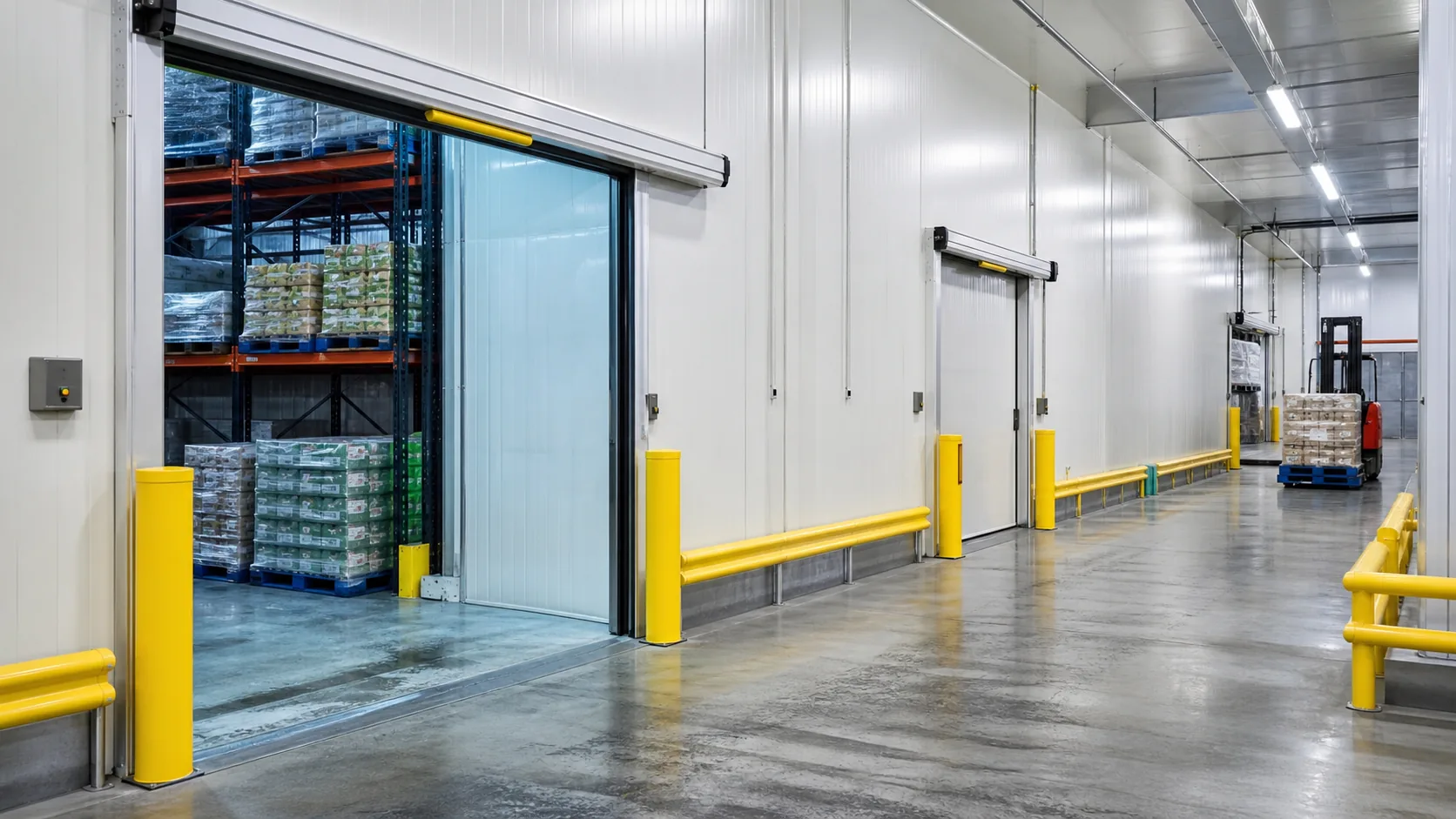
Cold room and chilled route protection
Cold Chain Logistics Equipment Routes in Singapore
For refrigerated warehouses, chilled dispatch, cold rooms and frozen storage areas, start with temperature, moisture, door traffic, impact points, floor condition, load, route distance and cleaning exposure before choosing protection, storage or handling products. Keep this separate from Food and Beverage Manufacturing when the main problem is cold storage, chilled transfer or refrigerated dispatch.
Cold roomChilled dispatchDoor impactRack endsMoistureFood-area handoff
Quick answer
Cold chain logistics buyers should first review the operating temperature, condensation or moisture exposure, door traffic, rack-end impact, kerb and wall exposure, load, route and floor condition before choosing MPM protection, storage or handling equipment.
Start with the buyer situation
Pick the closest situation first, then move only as far as the enquiry needs.
Send the minimum site details so the enquiry can be routed before model review.
Send detailsUse quote intake before treating another option as the same fit.
Review quoteCollect photos, measurements, documents and readiness checks before product-path review.
Build evidenceSend these first
Send these first when the enquiry is about chilled storage, frozen storage, cold-room protection, dispatch handling or cold-area support.
Send firstCold areaCold room, chilled storage, frozen storage, dispatch, transfer point, loading route, door or rack end.Separate cold storage and transfer from food-area production support.
Send firstTemperature and moistureChilled or frozen status, temperature range, condensation, wet floor, cleaning exposure and downtime concern.Cold-area wording stays tied to product proof.
Send firstImpact and routeDoor frame, wall, kerb, column, rack end, traffic direction, route width, floor condition and vehicle path.Protection should match the impact direction and fixing point.
Send firstLoad or quotePallets, cages, trolleys, wheels, handling method, existing quote, current product or support-product document.Movement and support-product fit depends on the cold route.
Choose or switch route
Use this boundary before treating chilled or frozen-area enquiries as general warehouse or food-area requests.
Route choiceUse this page
Use whenThe main problem is cold-room protection, chilled storage, frozen storage, refrigerated dispatch, door traffic, moisture or cold transfer.
CheckSend temperature range, moisture, door cycle, impact point, route, load and floor condition.
Route choiceSwitch route
Use whenUse Food and Beverage when contact risk, production support, cleaning process or food-area documentation is the main issue.
CheckUse Logistics when temperature and moisture do not drive the route.
Route choiceKeep held
Use whenFreezer-rated, cold-room-ready, washdown, hygiene, IP, stainless, safety, productivity, quoted-product claims and broad catalogue wording.
CheckHold these until product documents and site use support them.
What Y K TOH can reply with
After the first cold-chain message, the reply should show whether temperature, moisture, door traffic, transfer or storage controls the recommendation.
Reply partCold-area route
Can includeCold protection, storage, handling, access, maintenance support or Food and Beverage handoff.
Keep controlledFreezer-rated, cold-room-ready, washdown, hygiene, IP and stainless wording stays held.
Reply partMissing details
Can includeTemperature range, condensation, door cycle, wet floor, fixing surface, load, wheels, floor and route distance.
Keep controlledCold-area suitability follows site exposure and product proof.
Reply partNext action
Can includeA cold-area photo request, product-document check, category shortlist or switch to Food and Beverage when usage-zone review dominates.
Keep controlledFinal wording follows exact temperature, moisture and use evidence.
Cold-chain quote review intake
Use this when a buyer is comparing cold-room protection, chilled storage, dispatch handling or cold-area maintenance quotes.
Quote intakeQuoted itemProtection type, storage item, handling equipment, maintenance product, quantity, dimensions, material, rating or document wording.General warehouse products are not assumed cold-area suitable.
Quote intakeCold exposureTemperature range, condensation, moisture, door cycle, cleaning exposure, fixing surface and downtime concern.Cold-room-ready and freezer-rated wording stays held.
Quote intakeRoute proofPallet details, dispatch flow, load, wheels, floor, slope, route distance, turning area and transfer point.Movement fit depends on the real cold route.
Quote intakeExpected replyY K TOH can narrow cold protection, storage, handling, MRO or Food and Beverage handoff routes.Washdown, hygiene, IP, stainless and model-fit claims need product proof.
Choose review depth
Use this guide to choose the shortest cold-chain reading path before opening temperature and moisture checks.
Review depthFast route
Use whenThe issue is cold-room protection, chilled storage, frozen storage, dispatch, moisture, transfer or cold-area handling.
Read nextUse quick answer, send-first details, route boundary and reply expectation.
Review depthQuote review
Use whenThe buyer is comparing cold-area protection, storage, handling or maintenance support quotes.
Read nextCheck quote intake, photos, temperature details, documents and product-option checks before comparing the quoted item.
Review depthFinal shortlist
Use whenThe route is clear but temperature, condensation, floor, fixing surface, load or document proof still controls the answer.
Read nextUse product path, final checks and reply format after cold-area proof is available.
Choose how far to review
Choose the shortest path after the route map: first-route guidance, proof gathering, or product and reply review.
Start hereFirst-route check
Use when the buyer is still choosing the industry route, site problem route, first details or first reply.
Evidence packProof gathering
Use when photos, measurements, documents, readiness or product-option checks decide whether a quote can be compared.
Compare and replyProduct path and reply
Use when proof is available and the next step is product path, brand role, final checks or reply format.
Photos to send
Use these photo angles before asking for cold-room protection, chilled dispatch, storage, handling or cold-area support recommendations.
Cold area overviewShow the cold room, chilled dispatch lane, frozen storage area, transfer point, door or loading route.
Door and impact pointShow door frames, walls, kerbs, columns, rack ends, impact marks, bollard points or protected edges.
Moisture and floorShow condensation, wet floor, drain, floor condition, threshold, slope, turning area and cleaning exposure.
Load and transfer routeShow pallets, cages, trolleys, wheels, load size, route distance, door cycle and dispatch movement.
Food-area overlapShow whether the item touches production support, cleaning processes, contact-risk areas or food-area documentation needs.
Measurements to confirm
Use these measurements before shortlisting cold-room protection, chilled storage, dispatch handling or cold-area support products.
Temperature exposureTemperature range, chilled or frozen status, exposure duration, condensation risk and wet/dry cleaning condition.
Door and routeDoor opening, threshold, door cycle, route width, turning space, dispatch lane and transfer distance.
Impact pointDoor frame, wall, kerb, rack end, column or corner dimensions, fixing surface and vehicle impact direction.
Load and wheelsPallet size, load weight, wheel diameter, wheel material, floor condition, slope and route frequency.
Overlap documentsFood-area adjacency, contact risk, cleaning process, SDS/TDS requirement and product document needs.
Documents to check
Use these documents before comparing cold-room protection, chilled storage, dispatch handling or cold-area support quotes.
Cold protection quoteProduct type, material, fixing, impact direction, dimensions, temperature exposure and installation note.
Cold storage or dispatch layoutPallet details, door cycle, route, transfer distance, rack-end exposure and staging area.
Handling equipment documentsLoad, wheels, route, floor, temperature exposure, product page and accessory list.
MRO or marking documentsSDS or TDS, surface, moisture, cleaning process, temperature exposure and application note.
Food-area overlap documentsContact-risk note, cleaning process and hygiene, washdown or food-area document needs if relevant.
When the route is ready
Use these gates before deciding whether a cold-chain enquiry is ready for route guidance, cold-area shortlist or exact product proof.
Ready whenRoute clue only
Enough evidenceThe issue mentions chilled storage, frozen storage, door traffic, condensation, cold-room protection, dispatch or cold-area handling.
Use only forRoute to Cold Chain. Hold freezer-rated, cold-room-ready, washdown, hygiene, access and model-suitability wording.
Ready whenSite-fit review ready
Enough evidenceTemperature, moisture, door/route photos, impact point, load, wheels, floor, transfer distance and food-area overlap details are available.
Use only forShortlist protection, storage, handling, access or MRO routes while holding cold-area suitability claims.
Ready whenProduct-proof review ready
Enough evidenceCold protection quote, storage layout, handling equipment documents, SDS/TDS, marking documents or food-area overlap documents are available.
Use only forCompare exact product or product option. Keep freezer, hygiene, washdown, stainless, IP and food-area claims tied to documents.
Product option checks
Use this before treating another cold-room, chilled-storage, handling or cold-area maintenance quote as the same fit.
Product option checkCold protection fit check
CompareCompare door, wall, kerb, rack-end or column location, temperature range, moisture, fixing surface and impact direction.
Keep controlledCold-room-ready, freezer-rated, washdown and hygiene wording stays held.
Product option checkStorage fit check
CompareCompare pallet details, storage method, door cycle, dispatch process, rack-end exposure, aisle width and transfer flow.
Keep controlledGeneral warehouse storage assumptions may not fit chilled or frozen routes.
Product option checkHandling fit check
CompareCompare load, wheels, floor condition, slope, route distance, turning area, door threshold and temperature exposure.
Keep controlledHandling equipment is not comparable until the cold route is clear.
Product option checkFood-area overlap fit check
CompareCompare contact risk, cleaning documents, production support, surface exposure and food-area document needs.
Keep controlledSwitch to Food and Beverage if documentation and contact risk dominate the comparison.
Match buyer wording to the route
Use these common cold-route phrases to keep chilled storage, frozen storage and transfer problems separate from general warehouse assumptions.
Buyer wordingCold-room doors, walls or rack ends are getting damaged
Route firstStart with cold impact protection, door traffic, moisture and fixing-surface review.
SendSend temperature range, condensation notes, impact photos, vehicle type and route width.
Buyer wordingChilled dispatch or frozen storage flow is blocked
Route firstStart with storage, staging, pallet flow, door movement and dispatch route review.
SendSend pallet details, layout photos, door cycle, dispatch process and rack-end exposure.
Buyer wordingCan this handling or MRO product work in cold areas?
Route firstStart with temperature, moisture, floor, load, wheels and product-document review.
SendSend load, wheel photos, route distance, floor condition, temperature range and SDS/TDS need.
Match search wording to routes
Use this router when a cold-chain buyer searches by cold room, chilled dispatch, protection, handling or maintenance wording.
| Buyer search wording | Route to | Evidence to send | Keep held |
|---|---|---|---|
| Cold room protection | Route to MPM cold-area protection review by impact point, door traffic, moisture and fixing surface. | Temperature range, condensation, cleaning exposure, impact photos, route width, door cycle and fixing surface. | Freezer-rated, cold-room-ready, hygiene, washdown, stainless, IP and safety claims. |
| Chilled warehouse or frozen storage | Route to storage, staging, rack-end exposure and dispatch-flow review. | Pallet details, layout photos, door movement, aisle width, dispatch process, rack-end exposure and temperature range. | Capacity, cold-area suitability and final storage-design wording. |
| Cold room pallet truck or tug | Route to movement review by load, wheels, route, floor and temperature exposure. | Load, wheels, floor, slope, route distance, turning area, frequency, temperature exposure and current handling method. | Load, slope, temperature, productivity and model-fit claims. |
| Cold room marking or maintenance product | Route to LPS or DYKEM application review only after surface, moisture and documents are checked. | Surface, condensation, cleaning process, SDS/TDS need, contact risk and food-area overlap. | Food-area, cold-area, moisture and product-contact claims. |
Which Y K TOH division fits
Use this division route when a cold-chain enquiry includes cold storage, chilled movement, protection, MRO or facility-support items.
| Y K TOH division | Use when | Evidence to send | Keep held |
|---|---|---|---|
| Warehouse Equipment | Primary route for cold-area movement, handling, access, protection and transfer support after temperature exposure is known. | Temperature range, load, wheels, floor, route, door cycle, condensation, impact photos and access height. | Freezer-rated, cold-room-ready, safety, load, access and model-fit wording. |
| Storage Racking | Primary route for cold storage layout, rack-end exposure, pallet flow, staging and chilled or frozen dispatch. | Pallet details, layout photos, aisle width, door movement, rack-end exposure and temperature range. | Capacity, cold-area suitability and final storage-design wording. |
| MRO Chemicals | Support route for cold-zone marking, cleaners, lubricants and maintenance products after surface and moisture are reviewed. | Surface, condensation, cleaning process, SDS/TDS need, contact risk and food-area overlap. | Food-area, moisture, cold-area, residue and product-contact claims. |
| Builders Hardware | Support route when doors, walls, fixings, hinges, facility hardware or repair items are part of the cold-area issue. | Door, wall, fixing surface, temperature exposure, moisture photos, dimensions and current hardware. | Fire, code, fixing, load, corrosion, cold-area and safety wording. |
| Household and Commercial Goods | Use only for general commercial supply items around the facility that are not cold-area controlled. | Product list, use area, temperature exposure, photos and replacement reference. | Cold-room, food-area, hygiene, washdown and safety suitability wording. |
Use this route when
Use this page when the main problem is temperature-controlled storage, refrigerated transfer, cold-room protection, chilled dispatch or moisture exposure.
Use this page when
- The area is chilled, frozen, refrigerated, moisture-exposed or affected by condensation and door traffic.
- The problem is cold-room impact, rack-end exposure, door protection, wall protection, chilled staging or refrigerated dispatch.
- The first decision is temperature, moisture, transfer route, cold storage layout or cold-area handling suitability.
Check another route when
- Use Food and Beverage when production support, usage zone, contact risk, cleaning documents or food-area maintenance dominates.
- Use Logistics when the site is a general warehouse or 3PL route without temperature-controlled suitability questions.
- Use Electronics when the main decision is ESD-aware bench process, small-parts staging or technical workstation configuration.
Compare the buying route first
Use this filter when a buyer is comparing general warehouse equipment against cold-room, chilled dispatch or refrigerated transfer requirements.
ComparingGeneral guard or cold-room protection
FilterCompare temperature, condensation, cleaning exposure, fixing surface, door cycle and impact direction before treating protection as cold-area suitable.
SendTemperature range, moisture photos, door or wall photos, route dimensions and downtime concern.
ComparingCold storage or cold dispatch
FilterCompare whether the problem is pallet storage, staging, transfer, loading flow, door congestion or rack-end impact.
SendLayout, pallet details, door movement, dispatch process, rack-end exposure and traffic route.
ComparingHandling equipment in chilled routes
FilterCompare load, wheel type, floor condition, slope, route distance, turning space and temperature exposure.
SendLoad details, wheel photos, route distance, floor photos, temperature range and route frequency.
ComparingFood-area documentation overlap
FilterStay on Cold Chain for storage and transfer. Switch to Food and Beverage when contact risk, cleaning documents or production support dominates.
SendTemperature, food-area adjacency, contact risk, cleaning exposure, surface and required documents.
Already comparing a quote?
Use this when comparing cold-room protection, storage, handling or maintenance quotes for chilled or frozen routes.
Quote itemCold protection quote
SendProtection type, door, wall, kerb, rack-end or column location, temperature range, moisture, fixing surface and impact direction.
Keep heldCold-room-ready, freezer-rated, washdown and hygiene wording stays held until documents support it.
Quote itemStorage or handling quote
SendPallet details, dispatch route, load, wheels, floor condition, slope, route distance, turning area and temperature exposure.
Keep heldGeneral warehouse equipment should not be treated as cold-area suitable without route and product checks.
Quote itemFood-area overlap
SendWhether the quoted item touches production support, contact-risk areas, cleaning processes or food-area documentation.
Keep heldSwitch to Food and Beverage if documentation and contact risk dominate the decision.
WAREHOUSE123 stage route
Use WAREHOUSE123 to keep cold storage, cold-route movement and cold-area maintenance from being mixed into one generic recommendation.
Design & Build
Cold storage layout, rack-end exposure, door protection, wall protection, kerbs and cold-room traffic separation.
Use when temperature, moisture, door traffic, impact points or storage layout create the main risk.Equip
Cold-route handling, pallet movement, trolleys, tugs and dispatch movement review.
Use when the storage layout is known but load, wheels, floor, slope, turning space or temperature exposure affects movement.Enhance
Cold-area MRO, marking, dispatch support and document-led product review.
Use when maintenance, marking or support products must be checked against moisture, cleaning, temperature and food-area overlap.Route the site problem first
The recommendation should follow the operating problem, site data and claim limits before product or model selection.
Cold-room environmentConfirm temperature range, chilled or frozen zone, moisture, condensation risk and cleaning exposure.
MPM protection routeReview doors, walls, kerbs, columns, rack ends, bollards and traffic lanes before product selection.
Storage and dispatchReview chilled storage, pallet flow, staging, door movement, rack-end exposure and loading route.
Handling reviewReview wheeled load, floor condition, route distance and temperature exposure before naming handling equipment.
Proof before product shortlist
Before cold-chain routes are shortlisted, confirm whether the issue is storage, dispatch, transfer, moisture, impact or food-area adjacency.
Temperature and moisture proof
Chilled or frozen status, temperature range, condensation, door cycle, cleaning exposure, fixing surface and downtime concern.
Traffic and impact proof
Photos of doors, walls, rack ends, columns, kerbs and bollards, plus vehicle type, route width, floor condition and impact direction.
Claims held until checked
Freezer-rated, cold-room-ready, stainless, IP, washdown, hygiene and model-suitability wording stay held until exact product proof is checked.
How much proof is enough
Use this ladder before treating a route as product fit. It keeps route advice, site fit and exact product proof separate.
Proof levelLevel 1: Route clueIndustry page, product family, buyer wording, broad photo or quote category.
Enough to doConfirm whether this child page is the right route or whether another industry page should be used.
Keep heldExact model, compliance, food-contact, ESD, cold-room, access, manual-assist and productivity wording.
Proof levelLevel 2: Site fitPhotos, dimensions, load, route, floor, operator access, exposure, temperature, ESD need, cleaning process, contact risk or document need.
Enough to doShortlist the category lane, brand route or follow-up question that matches the site problem.
Keep heldFinal suitability, safety, model-fit, capacity, sensitive-zone and document-based claims.
Proof levelLevel 3: Product proofExact model, datasheet, SDS, TDS, certificate, current quote, installation condition or approved configured set.
Enough to doCheck whether a product route can move from review wording to exact-product wording.
Keep heldLaunch wording and public compliance wording until separately approved.
Recommended category lanes
Use these category lanes to keep cold storage, chilled dispatch and cold-room protection separate from general warehouse assumptions.
Cold impact-protection lanes
Use when the problem is door impact, cold-room wall damage, kerb exposure, condensation, fixing surface or downtime risk.
- Check temperature range, moisture exposure, cleaning exposure, impact photos, fixing surface and door cycle.
Cold storage and dispatch lanes
Use when the issue is refrigerated storage, chilled staging, FIFO/FEFO flow, door congestion or rack-end exposure.
- Check pallet details, layout photos, door movement, aisle width, dispatch process and rack-end risk.
Cold-route handling and access lanes
Use when loads move through chilled routes, transfer points or refrigerated dispatch, or when access/manual-assist tasks are part of the cold-route review.
- Check load, wheels, route distance, floor condition, slope, turning space, access height, manual task and temperature exposure.
Cold-area MRO lanes
Use only after the surface, condensation, cleaning process and product-document need are known.
- Hold freezer-rated, washdown, hygiene, food-area and model-suitability claims until product proof is checked.
Recommended product and brand routes
Use these routes to keep cold storage, cold-room protection, chilled movement, access and maintenance review tied to temperature, moisture and site proof.
MPM Cold Line and protection review
Use when the main issue is door, wall, kerb, column, corner, rack-end or traffic-lane exposure in a chilled or cold-room area.
- Map impact points and traffic routes.
- Check temperature, moisture and cleaning exposure.
- Hold freezer-rated, hygiene and washdown claims until product documents are confirmed.
Cold storage layout
Use when the problem is storage, staging, pallet flow, door congestion or rack-end exposure.
- Check pallet size, load and door movement.
- Check rack layout, aisle width and dispatch route.
- Hold storage capacity claims until the exact design is reviewed.
Movement and access in cold routes
Use MasterMover, STOCKY, MYSTAR, BRAVI or INNOPHYS routes only after load, wheels, floor, height/access task, manual-assist task, slope and temperature exposure are checked.
- Check wheel material, access height, manual-assist task and floor condition.
- Check turning area, route distance, load and temperature exposure.
- Do not imply every handling, access or manual-assist product is cold-room suitable.
Maintenance and marking support
Use LPS or DYKEM only after surface, moisture, temperature and documentation requirements are checked.
- Check the application surface and exposure.
- Check product documents before sensitive or cold-zone use.
- Separate cold-chain logistics from food-contact claims.
Brand roles at a glance
Use this snapshot to separate cold-room protection, storage layout, chilled movement, access and maintenance-product review before any cold-area suitability wording is used.
MPM
Cold rooms, chilled warehouses, frozen storage, refrigerated dispatch and transfer points.
- Cold-area impact protection, rack-end, wall, door, column, kerb, bollard and traffic-lane protection.
- Temperature range, moisture, condensation, cleaning exposure, impact photos and fixing surface.
Storage route
Chilled storage, frozen storage, FIFO/FEFO flow, door congestion and refrigerated dispatch.
- Cold storage layout, pallet flow, rack-end exposure, staging and dispatch support.
- Pallet details, layout photos, door movement, aisle width and rack-end exposure.
MasterMover / STOCKY / MYSTAR
Loads moving through chilled routes, transfer points or refrigerated dispatch.
- Electric tugs, pallet trucks, hand trucks, trolleys and wheeled-load handling review.
- Load, wheels, floor, slope, route distance, turning area, frequency and temperature exposure.
BRAVI / INNOPHYS
Low-level access or physical assist tasks in cold-area routes after site evidence is known.
- Access and manual-assist review routes where the cold-area task fits.
- Access height, manual task, floor, route, temperature exposure and product documents.
LPS / DYKEM
Cold-zone maintenance, marking or surface-support tasks where moisture and documents matter.
- Maintenance, marking and support products only after exposure and document review.
- Surface, condensation, cleaning process, SDS/TDS need and food-area overlap.
Where each brand fits
Use this map to separate cold protection, cold storage, chilled movement and document-led MRO routes before making cold-area claims.
| Brand route | What it normally supports | Best-fit use case | Proof needed |
|---|---|---|---|
| MPM | Cold-area impact protection, rack-end, wall, door, column, kerb, bollard and traffic-lane protection. | Cold rooms, chilled warehouses, frozen storage, refrigerated dispatch and transfer points. | Temperature range, moisture, condensation, cleaning exposure, impact photos and fixing surface. |
| Storage route | Cold storage layout, pallet flow, rack-end exposure, staging and dispatch support. | Chilled storage, frozen storage, FIFO/FEFO flow, door congestion and refrigerated dispatch. | Pallet details, layout photos, door movement, aisle width and rack-end exposure. |
| MasterMover / STOCKY / MYSTAR | Electric tugs, pallet trucks, hand trucks, trolleys and wheeled-load handling review. | Loads moving through chilled routes, transfer points or refrigerated dispatch. | Load, wheels, floor, slope, route distance, turning area, frequency and temperature exposure. |
| BRAVI / INNOPHYS | Access and manual-assist review routes where the cold-area task fits. | Low-level access or physical assist tasks in cold-area routes after site evidence is known. | Access height, manual task, floor, route, temperature exposure and product documents. |
| LPS / DYKEM | Maintenance, marking and support products only after exposure and document review. | Cold-zone maintenance, marking or surface-support tasks where moisture and documents matter. | Surface, condensation, cleaning process, SDS/TDS need and food-area overlap. |
Brand-to-product route matrix
Use this matrix to keep cold storage and chilled-transfer recommendations separate from general warehouse or Food and Beverage claims.
| Brand route | Product/category route | Use when | Check before recommending |
|---|---|---|---|
| MPM cold and impact-protection route | Cold-room protection, rack-end, door, wall, column, kerb, bollard and traffic-lane protection | Chilled or frozen areas with impact, door traffic, condensation, moisture or fixing-surface concerns. | Temperature range, moisture exposure, cleaning exposure, impact photos, fixing surface and downtime concern. |
| Storage and dispatch route | Cold storage layout, pallet flow, rack-end exposure, staging and dispatch support | Cold rooms, refrigerated warehouses, chilled staging, door movement and loading-flow bottlenecks. | Pallet details, layout photos, door cycle, aisle width, dispatch process and rack-end exposure. |
| MasterMover / STOCKY / MYSTAR / BRAVI / INNOPHYS support route | Electric tugs, pallet trucks, trolleys, wheeled-load review, access review and manual-assist review for chilled routes | Cold-area movement, access or manual-assist tasks where load, floor, wheel condition, height, operator task and temperature exposure change suitability. | Load, wheels, route distance, floor condition, slope, turning space, access height, manual task, temperature exposure and product documents. |
| LPS / DYKEM application route | Maintenance, marking and support products only after exposure and document review | Cold-zone maintenance or marking tasks where surface, moisture and product data matter. | Application surface, condensation, cleaning process, SDS/TDS needs and whether food-area claims are involved. |
Next product path after proof
Use this path after the cold-chain route and brand role are clear, before moving into exact cold protection, storage, handling, access or MRO products.
Product pathMPM cold protection route
Review nextReview cold-area protection categories by impact point, door traffic, moisture and fixing surface.
Hold until proofFreezer-rated, cold-room-ready, hygiene, washdown, stainless, IP and safety wording until product proof is available.
Product pathStorage and dispatch route
Review nextReview cold storage, staging, rack-end exposure and dispatch support by layout and door movement.
Hold until proofCapacity, cold-area suitability and dispatch-flow claims until layout, pallet and temperature proof are available.
Product pathMovement, access or assist route
Review nextReview MasterMover, STOCKY, MYSTAR, BRAVI or INNOPHYS only after load, wheels, floor, route and temperature exposure are known.
Hold until proofAccess, manual-assist, load, slope, temperature and model-fit wording until documents support them.
Product pathLPS / DYKEM application route
Review nextReview maintenance or marking products against surface, condensation, cleaning exposure and SDS/TDS needs.
Hold until proofFood-area, cold-area, moisture and product-contact claims until exact application documents are checked.
Buyer comparison
Use this when cold-chain buyers are comparing protection, storage, handling or maintenance options that look similar. Temperature, moisture, door traffic and route proof decide the next review.
| Buyer choice | What to compare first | What to send Y K TOH |
|---|---|---|
| Door protection versus wall protection | Impact direction, vehicle route, opening cycle, temperature and moisture exposure. | Door photos, route photos, dimensions and temperature range. |
| Cold storage versus cold dispatch | Whether the issue is storage density, staging, door congestion, loading flow or impact exposure. | Layout, pallet details, traffic route and dispatch process. |
| Handling equipment in chilled areas | Load, wheel type, route distance, floor condition, slope and exposure. | Load details, wheel photos, floor photos and route distance. |
What changes the recommendation
The cold-chain route changes with temperature, moisture, traffic exposure and whether the problem is cold storage, dispatch, transfer or food-area adjacency.
Cold-room environment
Chilled or frozen status, temperature range, condensation, cleaning exposure, door cycle, fixing surface and downtime concern.
Impact and traffic
Door, wall, rack-end, column, kerb or bollard photos, vehicle type, route width, floor condition and impact direction.
Storage and handling
Pallet or load details, MHE type, wheel condition, route distance, slope, staging flow and whether the task is storage, dispatch or transfer.
Selection checklist
Use this checklist before choosing protection, storage, handling or maintenance routes for cold rooms and refrigerated logistics.
Temperature and moistureConfirm chilled or frozen status, temperature range, condensation, moisture, cleaning exposure and downtime concern.
Impact and fixing pointsMark doors, walls, rack ends, columns, kerbs, bollards, fixing surfaces, vehicle route and impact direction.
Storage or dispatch routeSeparate cold storage, chilled staging, door movement, loading flow, transfer points and dispatch bottlenecks.
Handling suitabilityCheck load, wheels, floor condition, slope, turning space, route distance and temperature exposure before naming handling products.
Enquiry brief
Use this brief when sending a cold-room, chilled warehouse, frozen storage or refrigerated dispatch enquiry.
Send these details
- Temperature range, chilled or frozen status, condensation, moisture, cleaning exposure and downtime concern.
- Photos of doors, walls, rack ends, columns, kerbs, bollards, fixing surfaces and impact points.
- Pallet or load details, route distance, floor condition, MHE type, wheel condition, slope and turning area.
- Whether the issue is storage, dispatch, transfer, door traffic, rack-end exposure or food-area adjacency.
Keep these claims held
- Freezer-rated, cold-room-ready, stainless, IP, washdown and hygiene claims.
- Handling-product suitability in chilled or frozen areas.
- Food-contact or food-area wording unless the use case and documents support it.
How to send the details
Use this format when sending a cold room, chilled warehouse, frozen storage, refrigerated dispatch or transfer enquiry.
Recommendation checks
Use this process after sending temperature range, cold-room photos, moisture details, load, route and dispatch context.
1
Confirm the cold-chain problem
Decide whether the issue is chilled storage, frozen storage, door impact, wall protection, rack-end exposure, dispatch or transfer movement.
2
Check temperature, moisture and route
Review condensation, cleaning exposure, fixing surface, floor, wheels, load, slope, turning space and door traffic before choosing a route.
3
Hold cold-area suitability wording
Shortlist protection, storage, handling or support-product routes while holding freezer-rated, cold-room-ready, stainless, washdown and hygiene claims until proof is checked.
Final checks before reply
Use this final check before a cold-chain enquiry is narrowed to protection, storage, handling or support-product routes.
CheckCold environment fit
Before recommendingThe route is checked against chilled or frozen status, temperature range, condensation, moisture and door traffic.
EvidenceTemperature range, moisture photos, door cycle, cleaning exposure and downtime concern.
CheckImpact and fixing proof
Before recommendingProtection choices are matched to impact direction, fixing surface, traffic route and cold-room constraints.
EvidenceDoor, wall, rack-end, column, kerb or bollard photos, route width and vehicle type.
CheckCold-area wording
Before recommendingFreezer-rated, cold-room-ready, stainless, IP, washdown and hygiene wording stays tied to exact product documents.
EvidenceProduct documents, cleaning exposure, temperature range and site use case.
What the reply should cover
After a cold-chain buyer sends temperature, moisture and route details, the reply should separate cold storage, dispatch, transfer, protection and handling suitability.
Reply partCold-route summary
Can includeConfirm whether the issue is chilled storage, frozen storage, door impact, rack-end exposure, dispatch, transfer or cold-area handling.
Keep controlledDo not treat general warehouse equipment as cold-area suitable without checks.
Reply partShortlist path
Can includeReturn the MPM cold protection, storage layout, handling or support-product route that matches temperature and traffic exposure.
Keep controlledFreezer-rated, cold-room-ready, washdown, hygiene and model-fit wording stays held.
Reply partMissing evidence
Can includeAsk for temperature range, condensation, door cycle, impact photos, fixing surface, floor, load, wheels or documents where needed.
Keep controlledFood-area questions should be separated when contact risk dominates.
Reply partNext action
Can includeSuggest cold protection review, storage/dispatch review, handling route review or handoff to Food and Beverage.
Keep controlledFinal suitability follows exact product documents and site use.
Cold Chain or Food and Beverage?
Use the handoff when the site problem moves from refrigerated storage and transfer into production support, contact-risk review or food-area documentation.
Stay on Cold Chain
Use this page for chilled or frozen storage, cold rooms, refrigerated dispatch, transfer points, condensation, door impact, rack-end exposure and cold-area traffic routes.
Switch to Food and Beverage
Use Food and Beverage when the main issue is production support, usage zone, contact risk, cleaning exposure, documented maintenance, packing support or non-food-contact marking.
Send overlap details
If both apply, send temperature range, food-area adjacency, cleaning exposure, contact risk, route photos, load details, impact points and document requirements.
Common buyer questions
These answers keep the route logic readable for busy buyers in plain page content.
Why is Cold Chain separate from Food and Beverage?Cold Chain is routed by temperature, moisture, door traffic, chilled storage and dispatch exposure. Food and Beverage is routed by production zone, cleaning exposure and contact-risk review.
What should be checked before cold-room protection?Check temperature range, moisture, door traffic, impact points, floor condition, cleaning exposure and product documents.
Can general warehouse equipment be used in cold areas?It depends on the product, temperature, moisture, floor and use case. Suitability should be checked before making a recommendation.
When should Cold Chain switch to Food and Beverage?Switch when the dominant issue is production support, contact risk, cleaning documents, maintenance products or food-area use rather than storage and refrigerated transfer.
What details change cold-area handling recommendations?Load, wheel material, floor condition, route distance, slope, turning space, temperature and moisture can all change whether a handling route fits.