


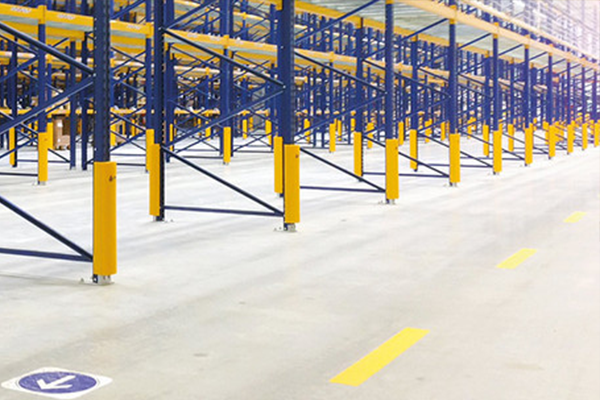
Warehouse is the place for storage of goods, where the operation involves human, machine and the storage racking. The machinery here refers to forklift for lifting pallet of goods to store it in the storage racking. Where there is human who operates the forklift. So when there is human involved in it, it’s a matter of time before forklift backs into a pallet rack.
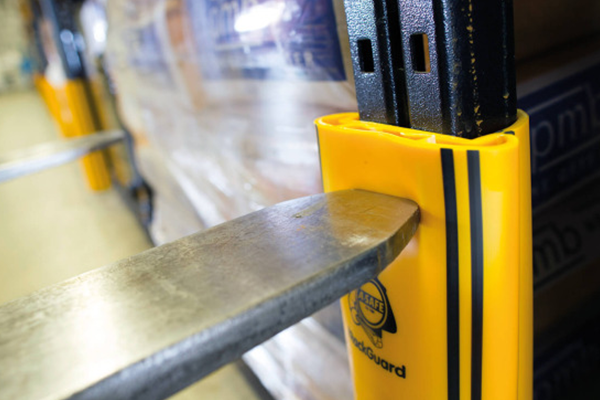
Prevention is better than cure. When it comes to warehouse operations, protecting your racking system should always be a priority. Understanding the common causes of racking damage is the first step toward creating a safer and more efficient environment.
One of the main factors is aisle width. Warehouses are often designed to maximize storage capacity, which can result in aisles that provide only the minimum clearance for trucks to operate. While this improves space utilization, it also increases the risk of collisions and handling errors. This risk becomes even higher when dealing with loads that may sag or bulge beyond their expected dimensions. Providing sufficient allowance for such variations can significantly reduce accidents. It is also important to align aisle layout with the type of machinery used. Consulting your truck provider is a practical approach, as they have the experience to advise on optimal turning space and operational limitations.
Another critical factor is load stability. Loads should always be assessed before handling. Unstable loads should never be transported or stored in racking systems. Preventive measures such as shrink wrapping, proper binding, and ensuring that heavier items are placed at the bottom while lighter ones are stacked above can help maintain stability and reduce risk.
Pallet condition is equally important. Damaged pallets should never be used or stored in racking. When carrying heavy or bulky goods, a compromised pallet can fail without warning, placing excessive stress on the beams. This can lead to beam deformation and, in severe cases, a complete racking collapse. Regular inspection and immediate replacement of damaged pallets are essential practices.
Beyond operational factors, racking selection, design, and installation play a crucial role in overall safety. Choosing the right racking system should not only meet storage requirements but also align with the type of equipment used in daily operations. Once the appropriate system is selected, the warehouse layout must be carefully designed to support efficient workflow while maintaining safe clearances. Proper installation is the final step and must be thoroughly checked and inspected to ensure the system is structurally sound and safe for use.
A well-planned approach to these factors can significantly reduce the risk of damage and improve long-term operational safety.
For professional support in pallet racking systems, feel free to contact us.


