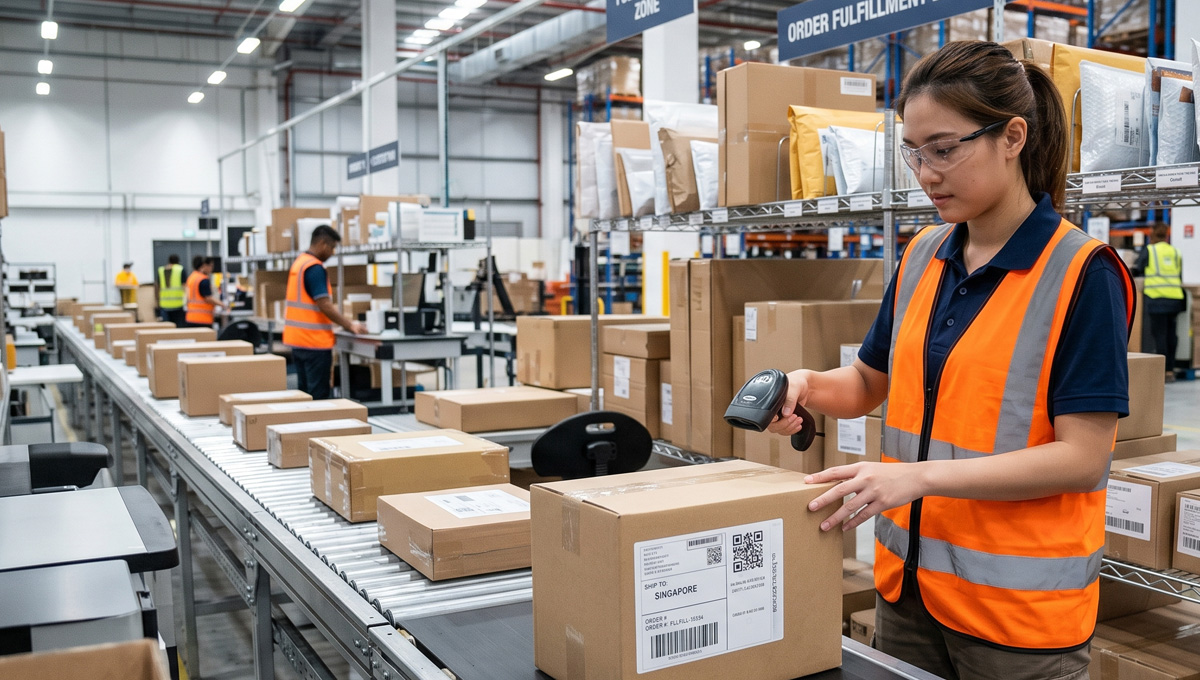
Singapore’s recent haze is a reminder that the air around our workplaces can change quickly. For warehouses, factories and distribution centres, it also brings a practical question into focus: what can we do about the emissions generated inside our own operations?
We cannot control the wind or regional smoke. We can review the equipment we use to move goods every day.
Lithium-ion electric forklifts offer a clear advantage when replacing diesel or LPG equipment: no tailpipe exhaust during operation. Alongside charging flexibility and simpler battery upkeep, that makes them worth considering for businesses planning cleaner indoor material handling.

Recent haze puts workplace air quality back in focus
In its 19 September 2026 haze update, Meteorological Service Singapore reported smoke drifting towards Singapore from southern and central Sumatra. At 5pm, the 24-hour PSI ranged from 80 to 108, spanning the Moderate and Unhealthy bands.
Conditions subsequently improved. NEA’s 22 September update recorded a 24-hour PSI of 59–77 at 6pm, within the Moderate range, although smoke plumes remained visible over parts of the region.
These dated readings show why businesses should follow current advisories rather than rely on yesterday’s conditions. For warehouse teams, haze preparedness and equipment planning deserve attention together.
1. Avoid adding engine exhaust where people work
A lithium-ion electric forklift uses battery power instead of burning diesel or LPG onboard. It therefore produces no tailpipe exhaust while travelling, lifting or handling loads.
For operations that currently use combustion-powered trucks indoors, switching suitable tasks to electric equipment removes that source of exhaust from the work area. This is especially relevant around loading zones, production lines and warehouse routes where people and equipment share the same environment.
The distinction matters: electric equipment does not filter incoming haze or guarantee clean indoor air. Ventilation, filtration and the site’s haze response still need attention. The benefit is reducing the combustion fumes your own equipment adds at the point of use.
This exhaust advantage comes from electric propulsion. Lead-acid electric forklifts share it; lithium-ion technology brings additional battery-related benefits.
2. Fit charging into the working day
For compatible lithium-ion systems, opportunity charging allows the battery to be topped up during planned breaks or gaps between tasks. This can give operations teams more flexibility when organising a busy shift.
Sumitomo’s official lithium-ion information describes rapid and interval charging for its supported configurations. The useful question for a warehouse is how the selected truck, battery and charger will support its actual workload.
Before choosing equipment, map daily operating hours, peak handling periods and realistic charging windows. Charging performance and runtime depend on the configuration, load, travel pattern and available electrical supply.
3. Simplify routine battery care
Lithium-ion batteries do not require the water top-ups associated with conventional flooded lead-acid batteries. Sumitomo identifies this as a benefit of its lithium-ion option.
Removing watering from the routine can simplify battery care for the team. It does not remove the need for vehicle inspections, charger and connector checks, or manufacturer-prescribed servicing. The practical gain is fewer battery-care tasks to organise alongside everyday warehouse work.
4. Review costs across the equipment’s working life
A replacement decision should include more than the purchase price. Compare your current fuel or electricity use, maintenance records, battery-care labour and downtime with the proposed electric setup.
Include the charger, any electrical installation work, servicing and eventual battery replacement in that assessment. The result will depend on your operating hours and site conditions; a universal savings percentage is less useful than a comparison based on your own workload.
Haze may prompt the conversation, but equipment selected around the job should remain useful throughout the year.
Explore STOCKY and Sumitomo options for your operation
Our recent social post highlights STOCKY and Sumitomo lithium-ion forklifts as practical options for businesses reviewing indoor material handling.
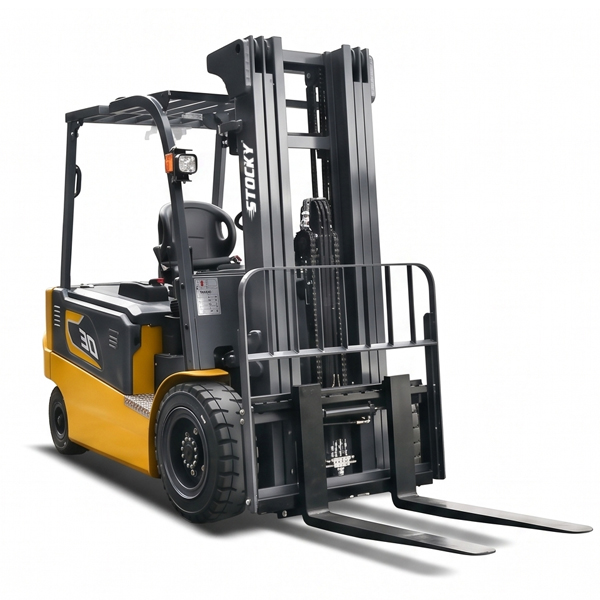
Start with the job you need the equipment to perform:
- Pallet transport: Review the STOCKY equipment range, including lithium electric pallet trucks, for movement between receiving, storage and dispatch.
- Counterbalance handling: Explore the Sumitomo QuaPro-B electric counterbalance forklift for loading, unloading and pallet handling. Lithium-ion is an option for supported configurations; confirm the selected model, battery, charger and local availability together.
- A forklift replacement: Discuss STOCKY and Sumitomo lithium-ion configurations with our team, using your load, lift height, travel route and shift pattern as the starting point.
An equipment shortlist should account for pallet dimensions, load centre, capacity at the required lift height, aisle space, floor conditions and charging access.
Make equipment choices part of your haze preparation
MOM’s workplace haze guidance calls for risk assessments and measures appropriate to employees and the work being performed. It also identifies mechanical aids as one way to reduce manual effort when transporting heavy objects.
Keep monitoring official advisories and review outdoor tasks, rest arrangements and worker communication as conditions change. Choosing electric equipment can support your wider workplace plan by avoiding an additional source of engine exhaust indoors.
Ready to explore lithium-powered equipment for your warehouse? Talk to Y K TOH about STOCKY and Sumitomo options. Share your typical load, required lift height, daily operating hours and charging arrangements so we can discuss a configuration that fits your operation.